



2026 Franchise Trends.
The latest in key franchise trends, including AI-driven efficiency, stronger franchisor support, and high-demand service industries.
Franchising continues to evolve rapidly driven by advancements in AI, operational efficiency, and a renewed focus on franchisee success.
In this episode, Henry Lopez is joined by franchise expert Giuseppe Grammatico to break down the most important trends shaping today’s franchise landscape and what they mean for aspiring business owners.
A major shift highlighted in this conversation is the increased level of support franchisors are providing. From AI-powered call centers handling hundreds of simultaneous interactions to more hands-on coaching and field support, franchise systems are investing heavily in helping owners improve performance and profitability.
As Giuseppe explains, “Support was the major thing… brands are doubling down to make sure franchisees succeed.”
They also explore why service-based industries, especially home services, restoration, and senior care, continue to see strong demand. Demographic trends, remote work, and rising home equity are fueling growth in these sectors, creating opportunities for both full-time and semi-passive franchise ownership.
Another key takeaway is what it takes to succeed as a franchisee. Contrary to common belief, prior industry experience is often not required. Instead, success depends on transferable skills like leadership, sales, and, most importantly, coachability.
Whether you’re exploring franchising as a full-time venture or a side hustle to diversify income, this episode provides practical insights to help you evaluate if franchising is the right path for you.
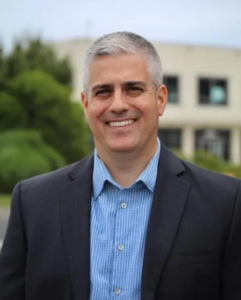
Giuseppe Grammatico – The Franchise Guide – is a franchise consultant, author, speaker, and host of the Franchise Freedom podcast. He specializes in helping individuals identify and invest in franchise opportunities that align with their goals, skills, and desired lifestyle.
2026 Franchise Trends – FAQ:
Question: What are the biggest franchise trends in 2026?
Answer: Increased franchisor support, AI-driven operations, and growth in service-based industries like home services, restoration, and senior care.
Question: Do I need experience to own a franchise?
Answer: No. Most franchises provide training; success depends more on transferable skills like leadership, sales, and coachability.
Question: Are franchises a good side hustle?
Answer: Yes. Many franchise models can be operated semi-passively, allowing owners to keep their full-time job while building an additional income stream.
Question: What industries are growing in franchising?
Answer: Home services, senior care, and restoration services are among the fastest-growing due to demographic and economic trends.
Episode Host: Henry Lopez is a serial entrepreneur, small business coach, and the host of The How of Business podcast show – dedicated to helping you start, run, grow and exit your small business.
Resources:
Books mentioned in this episode:
[We receive commissions for purchases made through these links (more info)].

Other Podcast Episodes:
You can find other episodes of The How of Business podcast, the best small business podcast, on our Archives page.
Transcript:
The following is a full transcript of this episode. This transcript was produced by an automated system and may contain some typos.
Henry Lopez 00:15
Welcome to this episode of the how of business. This is Henry Lopez, and joining me again is my friend and repeat guest, I don’t even know. I think I got to get you one of those five or more visits jackets. But Giuseppe gormat to go the franchise guide. Welcome back on the show.
Giuseppe Grammatico 00:30
Thanks, Henry. Yeah, we gotta, I gotta get you a robe as well. Yes, SNL robe.
Henry Lopez 00:35
I, you know, because a budget cuts, I’m going with just a pin, so I’ll get you a little lapel pin, if that’s okay.
00:41
All right, yeah, well, yeah, that’s all I can afford.
Henry Lopez 00:45
You can find all of the resources, including previous episodes that Giuseppe has been on. He’s my trusted partner for everything franchises. You can find that show notes page for this episode. Any links that we talk about will be there. And to find out more about my one on one and group coaching programs. Just visit the Howard Business com. Also to invite you to consider joining my community, my how a business community on Patreon, and please subscribe wherever you might be listening so you don’t miss any new episodes. Let me tell you a little bit more about Giuseppe, and then we’ll get into the conversation. This conversation is going to be about 2026, franchise trends and whatever other tangent we go off on because we like to talk business, but just simply grammatical, is a franchise veteran, a coach, an author, a speaker and a consultant who simplifies the process of franchising and excels at guiding his his candidates, as he calls them, people who are fit his clients to the business model the best suits their desired lifestyle. That’s a big part of it. His greatest joy is in is in helping people realize the American dream and sharing the freedom that comes with franchising, which we were just chatting about those very things before we started recording. Giuseppe Grammatico, welcome back to the show.
Giuseppe Grammatico 01:53
Thanks, Henry. It’s a pleasure, and it’s an it’s an honor to be to be asked to come back on. So I appreciate it.
Henry Lopez 01:58
Thank you. Thank you. Giuseppe and I have known each other for a number of years, and he’s been a guest a number of topics related to franchising. And then there was a kind of a couple years ago when I was exploring a franchise, and he helped me with that. I decided not to move forward with it, but he was my franchise consultant through that process, so he’s who I recommend you to if you’re considering a franchise. We’ll get more into it, but it’s important. I think a lot of people still don’t understand that engaging somebody like you doesn’t cost them anything more because you get paid by the franchise, or if and when I buy a franchise through you, but you represent me from my perspective. You’re not biased for trying to get me to buy a particular franchise. You are in it to help me find
Giuseppe Grammatico 02:40
the right fit, right? That’s it. Is a franchise. Is a franchise? A good fit for Henry, and what does that ideal franchise look like? That’s it. Those are the two things that we’re accomplishing with tons of education, you know, on those phone calls as well.
Henry Lopez 02:54
Yeah, and we’ll talk more about that. But let’s get into the topic at hand here, what we wanted to focus on here in the new year, and if you’re not listening at the beginning of 2026 it doesn’t matter. This is it doesn’t matter. This is still relevant. But we’ve had these conversations every couple of years, what’s trending, what’s happening, and you go, I think, at least once a year to your big conference for the group that you’re a part of, right? Tell us a little bit about what that event
Giuseppe Grammatico 03:14
is, yeah. So every, every it’s actually six months. So twice a year, we meet with over 125 franchise companies. We have a lot of founders, lot of CEOs and presidents attending the meetings. There’s a lot of my colleagues, other franchise consultants, funding companies, you know, some heavy hitters in the franchise space. And we meet for a week. We talk about best practices, we talk about trends in the franchise world. We talk about what’s working. You know, what are franchise orgs doing to make their franchisees more money, utilizing AI economies of scale and things like that. So it’s great to really sit down and figure out what’s going on in the space updates on specific brands, and I like to share my findings in those conversations with all the families that I work with. So it’s really beneficial, and really puts my finger on the pulse of what’s going on in the franchise world. Excellent.
Henry Lopez 04:05
Yeah, it’s such a great opportunity. So tell us, what are some of those things that you came away with at a summary level, what are the some of those trends or observations that you are seeing here in this year?
Giuseppe Grammatico 04:16
Yeah, so the the big topic usually have five major takeaways, and there’s definitely sub topics here, but the one major thing, because only so many things could change, right? It’s what’s changing. It’s, you know, maybe taking on more AI and investing there. But the thing I saw, I guess, predominantly, was support. Support was the increase of support for the franchise owners. We heard stories of franchise companies really sitting back and talking one on one with each and every one of their franchise franchisees to figure out where they can improve. So we talked about things such as where to implement AI via, for example, a call center to reduce their expenses. So we. A story of AI being able to handle 250 calls simultaneously at the very same time, and having two individuals manage the call center, manage the AI call center, basically still taking calls, but needing less manpower. And what happened there was you increased call volume efficiency, but that also was came out of savings for the franchise owner,
Henry Lopez 05:22
which is a huge part of it. Yes, so that savings opportunity,
Giuseppe Grammatico 05:25
big savings there. And by the way, those those call centers are now open 24/7 because of that, support was big in the coaching, not just offering coaching when you initially start and virtual coaching. But again, this is going to vary based off the brand. But we saw a lot of brands switch up, and now their their coaches are coming back even after launch, to travel with the franchise owner. Figure out, you know where, where exactly the issues lie the bottlenecks. Because in some cases, you had a franchise owner complain about lead flow and marketing when it wasn’t the lead flow in marketing, it was more of the the closing ratio was a lot lower than the average franchise owner. Which is another benefit of a franchise is that you can compare yourself that benchmark. That’s huge. Yeah, certain bent, right? So if you’re at a 20% close ratio, and the top guys at 50, there’s a there’s 30% in the middle there that you can improve on.
Henry Lopez 06:16
So you may have plenty of leads. And so instead of piling on more money there. Let’s get better at how we’re pitching our services or product, right?
Giuseppe Grammatico 06:24
And it can be right simply, like, maybe you’re going off script or the framework, so but going and traveling in the field, you know, one on one, talking with the customer, listening to what they say, the making sure the follow up is there, and everything they learned in training. So it’s more just as a follow through, making sure that everything is being implemented. From the training, we had talked with a company in the past that paused their franchise development. Now you’re going to be thinking, Well, how is that a positive? It’s a positive because in this one case that I’m not going to name names, but the brand realized that there were a lot of new franchise owners, and some were struggling, and some were doing well, where what was missing. So they decided to pause development for six months. Actually, it was actually close to a year, and figure out exactly where they can improve. And they doubled down the training to make sure all their franchise owners were getting up and running before bringing on any additional franchise owners. So there was a lot there. National Accounts was, was another big takeaway where, you know, the system was great, but you know, where can they where can they improve and help the franchisee? And national accounts came into play. We heard stories of national accounts accounting for 10, even 20% of a franchisees, a total volume for that year, not profitability, but we’re just talking top line revenue, because they were able to service these national brands, whether it be painting, whether it be cleaning, because it fell in a specific territory. So it wasn’t reinventing the widget. It wasn’t reinventing the franchise, but it was more of where can we improve on what we have and review those numbers to make the franchisee not just increased top line sales, but just overall profitability and systematize as much as possible. So support was the major thing they talked about, and it was nice to hear, because that’s why you buy a franchise. It’s for the support, correct?
Henry Lopez 08:13
You know, just to expand on that a little bit, it’s interesting. A lot of people that come to me for coaching would think, well, I have a franchise or get the support I need from the franchisor? Well, not necessarily. I have several clients that are franchise owners, and I won’t name those franchises, and it’s not because they’re not necessarily getting support, but it’s a different kind of support sometimes. But what I’ve observed with franchises is that most of them, certainly the ones that you represent, are very good at that initial startup phase, right? Helping you with the with the site selection, and helping you then with the build out and helping you with getting ramped up. But then where I think I see sometimes a gap is that in that ongoing support after that startup, right? It tends to be more focused on here are the numbers here, you know, here’s the top line goal, instead of the more invested support and coaching, which is, let’s look at your operations and see what’s going on there. Right? A lot of franchises simply don’t have the depth of coaches to be able to offer that. Right. Understandably, that’s why it’s admirable that the franchise you’re alluding to stopped because they needed to catch up with how many franchisees they had. So that’s something I think that as you look at a franchise, I think that’s one of the things that should come out, hopefully, as you talk to other existing franchise owners, particularly those that have been at it for a year or more, right? Not that’s not the ones that just signed, but the ones that have been added, because that is so critical you need that ongoing support from your franchisor. Absolutely.
Giuseppe Grammatico 09:38
Yeah, you know, validation, we call it is equally as important as speaking with the franchisor. And to your point, you know those individuals that have been in business for a year, because you want to know what their experience has been. You know when you’re not every franchise, so don’t look at franchising. You know, if you’re, if you’re looking at the roofing business, don’t think all franchise and the roofing businesses are set up the same. No. So. Will have w2 labor. Some will have 1099, some will do the marketing for you. Some will not. So, you know, make sure to ask specifically. You know, what is included support wise, and what does the support team look like? You got all this great stuff, but if there’s one coach assigned to 50 franchise owners, that’s a red flag.
Henry Lopez 10:17
And I’ve seen that often. I’ve been I’ve owned some of those franchises where that’s the challenge, right? And I think, I think Giuseppe, you know, I would say that’s probably the old model that was not uncommon. When I have owned franchises in the past, that wasn’t uncommon,
Giuseppe Grammatico 10:33
yeah, it’s a from the feedback from the franchisee. They had to change up their models, right? Are they the front the franchise company? Let’s call it what it is, you know, they the franchise business model is a way of expanding nationally. That’s right, the the brand right? Brand recognition growing throughout the country. But where do they make their money? And the myth is that they make money on the on when you buy the franchise, and a lot of that money is being reinvested back. That’s right. Business. It’s the royalty there needs to be enough there to reinvest back in the business, but also to make a profit. So when people say,
Henry Lopez 11:03
well, and so that they can continue to add more franchisees, right? So that’s, that’s critical,
Giuseppe Grammatico 11:08
yeah, there’s a lot. I mean, the team, you’re, they’re adding national accounts that’s on the the dime of the franchisor. You may be paying in a marketing fund, but they’re adding these additional individuals. They’re doing market research. So you want to talk, you know, not just with the brand, but the franchisees, to make sure they’re getting the support. Sometimes the franchise or is open and honest. I’ve had, I’ve had franchisors say, we are one to 10 relationship. For every 10 franchisees, you get one coach, and they travel with you. You’re they’re always available via call or email. And then once we add another 10 franchisees, we bring on another coach, and that’s impressive coach, some will get into those numbers, but ultimately, equally as important as those numbers is the feedback from the franchise owners and
Henry Lopez 11:51
and that speaks to then, you know when people always tell me, Well, how do you you know you keep paying this royalty forever? Well, yeah, well, you should be getting value for that. Lots of things that you get in return value from that, contributing to that, contributing to the marketing fund. And this should be one of those things that support from the franchisor, is what I need to look at to justify that ongoing royalty. In part, that’s the only thing you’re paying for, but that should be there to justify that royalty, correct?
Giuseppe Grammatico 12:18
You know, what is the royalty? What’s included? What am I getting for that, both initially and going forward? So and you’re paying this for five, 10% is typically the average range. So you know you’re paying that. You know, you know to price that in when you’re figuring out your margins and what you can make in the business. But also figure out, okay, because the franchise are offering X, Y and Z. I don’t need an office, the call center. Everything is being outsourced, so you are going to also be saving money absolutely factor that all in when you’re running your pro forma to make sure you have a good understanding of what you’re going to be netting on that business.
Henry Lopez 12:55
Yeah, I’ve mentioned this before. Maybe you and I have talked about it, the call center, going back to that example, when my cousin and I were searching for a franchise for executive suites shared office space, one of the reasons we selected the franchise, or that we did, was because it offered, they offered that call center. There’s no way, you know, because I’ve built businesses on my own from scratch, and I’ve had franchises. It just depends on the situation and what makes best sense, but there’s no way is, you know, Henry and Eddie’s shared office space that we could have built a call center. We just couldn’t, just, we wouldn’t be able to justify that by tapping into a leverage model, a franchise, any others, a fee, but it’s, it’s heck of a lot less than if we were doing it on our own. We’re able to take advantage of that service, and now that it’s being augmented by AI, even more so. But that’s something that the franchisor is, has developed, put together, manages overseas. We just benefit, we plug into it and
Giuseppe Grammatico 13:51
benefit from it. That’s it. I mean, you’re going to be saving so much money there, and ultimately, there’s going to be a lot of costs. There’s going to be additional cost. You got the franchise fee. Obviously, get the royalty, but in return, you’re getting support Exactly. But what I tell everyone is, when you’re looking at the financials, look at, figure out your break even analysis, creating that pro forma, exactly what those costs are. There’s tons of benefits, obviously, with the franchise, and we could talk in a lot more detail, but ultimately, talking with the average franchisee that’s running it maybe full time to start. Maybe some are running it part time, semi, semi passive to start. What are you what are they generating? If you took an average on on one territory or one location, and figuring all that out, because ultimately, you want to know how much you can make, and the number of locations and or the number of territories needed to get you to the number you need to be at. So that’s what I challenge everyone. You got all these expenses, and you’re going to put together a couple pro formas, but ultimately, what can you generate? What can you expect to generate? Franchisor can’t tell you that, right? They can give you statistics, but you’ll get that information. Speaking with the individual franchise owners
Henry Lopez 14:59
makes sense. Alright, so speaking of trends, specific segments or industries that continue to be we’ll just say hot or interesting for various reasons. What do you see there?
Giuseppe Grammatico 15:09
Yeah, a lot of interest. And this isn’t something going away in senior care, both medical and non medical. We can’t stop aging. Maybe we could stop looking like we’re aging, but you can’t stop aging. So really, going after the 65 to 75 year old communities,
Henry Lopez 15:24
let me just ask you about that, because my concern there, it seems to me like you got to be careful, because there are some segments that, in my observation, are saturated. Am I wrong about that? Or what’s what’s your thought there saturation? I mean, meaning there’s so many people serving it in some markets, and so I’ve got competition like crazy for that same segment of service, right? There’s, there’s all different segments of that. When we say home care, that means a lot of different things. But what are your thoughts there as to whether you do see some saturation or not?
Giuseppe Grammatico 15:58
I think there’s a lot of competition. I wouldn’t say saturation with that competition, there’s different types. So where, where we’re seeing a lot in senior care, it’s in home senior care versus going to, you know, referring to a facility for my dad, right? And there’s franchises for both, by the way, but in in home, where, you know, people want to age at home. They want to, you know, their final years be comfortable at home, not necessarily in a facility. There’s definitely a lot of competition there. I think there are a few companies that really stand out and do it. Well, we have a story of a franchise company in the Philly market. Individual is actually semi retired, and both his grandparents died unexpectedly by just lack of care. Someone was watching was on their phone. Grandmother felt fell in the restroom. So, you know, easily distracted, not properly trained. So they said, how can we improve this? And one of the things they did was, you know, we’re going to give every client an iPad, strip out all the apps, and it’s going to be specifically for communication back and forth from the family, so that we can say that, Hey, Mom and Dad fell today. They didn’t eat lunch. They were complaining about their leg. And being able to send video, audio back and forth and really kind of take notes on everything that happened for the day, the training, the communication is big. Not just writing on a post it note that gets lost, but I think they do it in different ways. So that, number one, they’re training their caretakers. But also there’s this backup system to where that caretaker can’t make it. We’re human. You got into a car accident, you’re not feeling well. There is this automation to find that replacement immediately versus having to scramble. So I think there’s a lot of competitors, but I feel like there’s a few standouts that really go over and beyond to take care of mom and dad.
Henry Lopez 17:49
And what I’m hearing there is that one of the ways some of these franchisors and businesses are standing out is by applying technology like immediately, as you were describing, that I can envision that these companies will continue to develop how they’re leveraging AI could be that if you don’t check in on that iPad, and it doesn’t see your face, with all the technologies available, and your face isn’t alive, that it could automatically send a signal. So all of those technologies, it sounds like they’re starting to layer in to improve that standard of care.
Giuseppe Grammatico 18:17
It is you. We heard the term, the term multiple times. I mean, probably a dozen times that you can run your entire business off your phone or tablet. I mean, it’s, it’s absolutely amazing. Reducing the need senior care. You do need an office, but for a lot of home service brands, you don’t even need an office, right? You could run it from home, because the person, the contractor, the employee, is going to the homeowner, right? But with, with that, with with senior care, they literally give you that iPad. They’re they’re saying, We’re designating an iPad as part of our our service, and all the communication, which keeps track of the hours, keeps track of the billing, the account, receivable, everything is at the fingertips. And there’s even brands that took it to the next level and said, Well, what about if caretakers, the car breaks down, or they don’t drive, and they’ve added this element of transportation, almost like an Uber service, to supply the caretation for the caretaker to get to the homeowner, because maybe they don’t have a vehicle, or, yeah, they don’t
Henry Lopez 19:11
have reliable transportation, or they depend on mass transit, and they can’t quite get to that particular residence. So they’re addressing that issue that is one of the labor constraints.
Giuseppe Grammatico 19:20
Sometimes, yes, you know, can we? Can we get there? Or maybe their morning routine is helping in one area Florida, and then they have to go go visit another family the afternoon, so they would have that transportation taken care of. So, so I think, you know, these are the things that really stand out. They also help with all the the headaches with licensing, non medical. It’s going to be a much simpler model, but dealing with
Henry Lopez 19:43
but also in non medical, then you have a lower barrier to entry, which goes back to my point about increased competition. But yes, all right, lower barrier venture. Yes, exactly. Let’s shift to home services. That continues to be another popular segment.
Giuseppe Grammatico 19:56
Yes, absolutely. Home Services is been exploding since. Covid, and it’s not slowing down. A lot of brands out there offering lots of different services. Why? It’s simply because individuals, families are still working from home. Some people are required to go back to the office. I have a family member. We’re just talking the other day, and he’s going in a couple times a week, but three days a week he’s still still working from home.
Henry Lopez 20:19
The hybrid model seems to be still where a lot of people are right, correct, if not exclusively home office.
Giuseppe Grammatico 20:26
We’re hearing quite a bit of that. It’s like, check in for some meetings. Maybe the President’s in town. We need you to come in. But for the most part, you can, you can work from home.
Henry Lopez 20:34
The other thing that’s got to be influencing it is, of course, because of economic conditions, interest rates, people are staying in their homes. And so then, instead of buying a new home, I want to improve my home. That’s also driving it, I suspect
Giuseppe Grammatico 20:45
it is. And the real estate market, it’s been great. We’ve seen our home values increase. I’m sure yours have as well, so lot of equity in the home. So what do we do with that equity
20:54
improvement? You could buy
Henry Lopez 20:57
you could have some appreciation the it still doesn’t make sense to buy in somewhere else, because you’re going to you have a lower interest. You have a lower interest rate, probably, that you’re holding on to, so you’re staying put, reinvesting that money that you have an equity into the current home.
Giuseppe Grammatico 21:09
Yes, you know, we, I look at, I was looking at our rates, 30 year mortgage, three and a quarter percent, you know, you’re not going to find that anywhere. So no, we’re locked in. We’ve paid most the interest at this point and the amortization schedule there. But, yeah, there’s equity in there. So how do we? How do we improve the home? Do we? Is it we move? We’re going to be hit with a higher interest rate. I’m in New Jersey. I think there’s also extra taxes once you hit certain levels. So it’s much easier to stay home and improve the home. I’m in the home longer. You’re starting to see a lot some of the imperfections and things like that. Or, you know, using multi use any more of an office environment. Maybe I need to do a sound barrier on one side of the wall, or what have you, depending on your environment. So, so between the equity having access to that money working from home, we’re seeing that it’s not going away. With technology and efficiencies, people are still there. They’re strapped for time. They’re just not enough time in the day. So they’re getting their homes clean. They’re getting the siding power washed, if the if they don’t want to replace the siding, their services out there, believe it or not, actually in your your neck of the woods, that will paint the siding, you actually restore the site,
Henry Lopez 22:16
refurbish or get more life out of the existing siding. There’s technology for that, for roofs. There’s all kinds of opportunities. There a segment that has always been interesting to me, and you represent, I think several brands on this is cleaning and restoration, right? Because that now falls and especially, there’s all that covers a broad range, but it could be restoration, because something has happened, like water damage or an accident or something else. And what I like about that segment is now it’s not a nice to have. It’s a need
Giuseppe Grammatico 22:45
to have. Need to have. It’s not a it’s not a want, it’s a need. And that’s exactly it. It’s a when I think of restoration, I think of was it? Mike Rowe from dirty jobs, these are dirty businesses. They’re not sexy businesses where you’re going in. And for the most part, if you look at where most that business, that 8020 rule, it’s water and smoke damage. A fire smoke damage firefighters come in leaky pipe. Yes, they get into specialty depending on the brand, disaster, hurricanes and tornadoes and earthquakes, crime scene, cleanup, biohazard. These are all subcategories, but a lot of it is smoke and water. And we had a nice stress test during covid. We saw these businesses. They didn’t miss a beat. There was water in that basement that water needed to be extracted, or else. Now the foundation, you got mold issues, and now you got to worry about the home coming down right and having structural issues. So to the to the foundation, we
Henry Lopez 23:36
have the mold issue in Florida, where I live as well, or storm damage, or whatever the case might be, or it could be, you know, the water heater, which might be on the second floor, in the attic, and it creates damage. All of those kind of things can create damage. And what’s great about this segment, from a business owner’s perspective, like you said, it said, well, sometimes the best businesses are the not sexy businesses, right? Where you’re willing to dwelling to do the quote, unquote dirty work, although it’s not like it’s you going out there necessarily, and cleaning the stuff, but you have staff to do that. But when a consumer is looking to buy that type of service, it is typically not a price driven decision. It is a how quickly can you get out here type of decision, correct? And so if you can deliver on that, you have an opportunity to gain market share, right?
Giuseppe Grammatico 24:21
Absolutely. And you know, a lot of this work is being referred from plumbers. Homeowner calls the plumber because their feet were wet when they when they that’s the first, let’s call it plumber, yeah, what’s, you know, so they can shut off the water. Plumber figures out, okay, yes, I know where the issue is, but we got to extract this, and then they’ll refer someone to do the restoration. So it’s a huge it’s in demand. A lot of lot of companies are in that similar space. You need to make sure to have some type of financing locked in. Because you’re working with insurance companies, they probably won’t pay for a month or two so, but you’re paying your staff, so you have to, you have to figure out what this you know, either it’s a line of credit or figure. Figuring out how to pay your staff, because you’re going to be paying them before the insurance pays out. But great business, you’re you’re very few employees. You’re charging, obviously, that premium, a premium, and that franchisor is going to be feeding you with those national accounts. They’re going to be getting you up and running, you know, working, and getting you licensed in your state, insured and bonded. So every state you know, Florida, you know one example, California, where you’re going to have to get some type of contractor’s license, or utilize someone on the team that has a contractor’s license. So there’s additional moving parts, but they’ll work with to figure out that process of getting up and running and what that looks like. So yeah, that’s there’s some great and
Henry Lopez 25:39
in that segment, Giuseppe, have you seen that it can start with one man in a truck, that’s possible, or what have you seen there
Giuseppe Grammatico 25:46
in restoration, depending how you’re running it? So if you’re, if you’re running, if you’re able to run, leave your job and run it full time, we’re seeing models where you have a full time sales rep, and that sales rep is really working with the plumbers and plumbing supply companies and small insurance companies and one or two technicians. Maybe they’re hourly, so we’ll call it a you, you the owner, running a full time one sales and one or two technicians.
Henry Lopez 26:09
Got it, and maybe one or two vehicles, is what I’m hearing.
Giuseppe Grammatico 26:13
Yeah, 111, vehicle to start. You get one or two techs on there. Once you go out of that, you just, you just again, another individuals. Yeah, I love
Henry Lopez 26:21
that you’ve highlighted the salesperson or the business development person, because I think that that is often a mistake that small business owners make unless they know they’re good at that they have experience. That’s what typically doesn’t happen, and then they wonder why the business hasn’t come Yeah, you’re going to have support from your franchisor, but you got to go get that business. And if that’s not you, then you need to hire somebody to help you go, get the business right, develop those relationships, get into the community, develop those contacts, do the networking, do the outbound marketing, and that’s, I’m glad that you mentioned that role being critical to even a small, two or three person startup like that.
Giuseppe Grammatico 26:55
Yeah, you know, it’s crucial. And keep in mind, restoration is B to B. You know, you’re not putting out big ads, and customers are calling you. You’re getting those referrals. The reoccurring aspect of these businesses is you’re getting referrals from the insurance companies, from the from the plumbers, when you switch to more B to C, where you’re offering a cleaning service, roofing, right? And things like a different segment. That’s the turnkey marketing we were talking about with the call center. So it’s a little bit different of a sales process. They both work. You still need sales people, but it’s just a different approach, so that that person in restoration needs to be great at networking, and, you know, developing relationships at the Chamber of Commerce, at the plumbing supply, and really just, you know, increasing the the relationship and staying in touch with everyone agreed, right?
Henry Lopez 27:38
Let’s shift a little bit. What have you seen, maybe not necessarily this year, but over the last couple years, as far as what a franchisor is looking for in an ideal franchisee, you know, the me, the person is looking to get a franchise. Or have you seen any trends there, or things that have emerged or changes to what’s an ideal avatar or an ideal franchisee, and what that looks like?
Giuseppe Grammatico 27:58
Yeah, so kind of what we were talking about, I wouldn’t say there’s necessarily trends, but I want to talk about the process and why there could be change. So every especially an emerging brand, brand new, they’re still figuring things who, you know, things that, who’s going to do well, and it’s part of it is the skill set and the support offering, you know, what that franchise company is offering. So in an emerging brand, they may say, Yes, you know you have to be full time in the business, and you need to be great at networking. As they bring on their first 10 franchisees, they realize, you know, what this business, we do have some additional resources. It can be run semi passive. You can keep your job. And now they change slightly the avatar, while still mentioning you still have to be good at networking. So what you will see is that not that that franchisor changed your mind, is that they, the franchisor will evolve. They’ll see who has done well in their system. And you can’t compare two Painting Companies side by side. It’s, you know, one painting company may offer you marketing and bookkeeping services, the other, the other may not so specifically for that brand. So you’ll see this kind of evolve. You know, you have to be full time. Now you can be part time, but typically, once you get past that, those those 10 new franchise owners, you get to the 50 franchisee mark. Now it’s pretty clear this is who we need, and it’s not more of who the the avatar is. You know, we want to make sure that, we want to, we want you to go a little bit more aggressive on the marketing so that the avatar doesn’t change. But they may increase their financial requirements because they want to, want, want you to make sure you go very aggressive on the marketing the first year. So maybe they increase their net worth and liquidity requirements. Maybe they increase their item seven, their investment, their itemized investment to start, because they want you to be a little bit more aggressive. So the avatar doesn’t necessarily change with some of the tweaks within the financials. We’ve seen that for more of the established brands.
Henry Lopez 29:45
Okay, I want to mention an episode you and I did. I think it was last year, Episode 485, 485, on that episode, Giuseppe and I talked about a franchise side hustle, because, as you were mentioning, there are franchises that require you to be full. Full Time involved in the business, but there are other franchises that very much support and welcome people who are going to maybe keep their corporate job and own a franchise on the side. So there are opportunities there for both approaches, both models, and that’s one of the things, again, that a franchise consultant like Giuseppe can help you navigate what makes better sense for you. But the point is that you don’t the only option is not that you got to leave your job and go start a franchise. There are other options. If what you’re looking for is to augment your income or start preparing yourself for leaving the corporate world at some time, or maybe you’re perfectly happy in a corporate world, but you’re just looking to diversify your income streams. There are opportunities there. So I encourage you to listen to for episode 485, if that’s where you’re thinking. Just to expand on this, and then we’ll wrap it up here. The skill sets that you see generally as you work with potential franchisees, as you now, over the years, have have helped people buy an investor franchise. What are, what are some of the skills that you think do translate, either from my corporate world or that you’ve seen that the people who do well, they have these skills or personality traits?
Giuseppe Grammatico 31:03
Yeah, that’s a great question. You know, you have to be coachable. If you are not coachable, it’s going to be it’s going to be difficult, because that’s what a franchise is. Essentially your coach. They’re going to be coaching you. They’re going to be your guide throughout the entire process. They’re going to be aiding you. They’re going to be giving you feedback in areas of improvement. So coachability is big, and being able to follow a process, some people say, Yes, we are able to follow a process. I’ll be working with them. Yep, I’m coachable. We can follow a process, and yet, on the first call, they demand, they want a list of franchise companies to contact. That is not our process, because I don’t know what to refer to you, because I don’t know enough about you, and we don’t know what’s available right in your market. So right?
Henry Lopez 31:45
You’re not even willing to follow my process. So right away. It’s like when people sometimes one of the things we used to do on an application, there’s, you know, follow these instructions, and we’re seeing if you can follow those instructions, right? So similarly, you’re right away, you’re showing me you not willing to follow a process. You think you have it, you you think you know it, all right. And that was me, Giuseppe. That was me, even though I started with my first business as a franchise, as I got more and more knowledgeable and arrogant, then for a while, I was like, Oh, I would never touch a franchise again. I don’t want the restrictions. I don’t want somebody telling me how to do it. If I want to add a menu item or service item, I want to do it. I want to do it my way. And then I’ve, then, as I got even more materialized. Wait a second, there’s benefits here. So it just depends. It depends for me as a seasoned entrepreneur now, and as I mentioned already, most recently, I invested, I’m a minority partner in a franchise. So I’ve, you know, I’ve come full circle and understanding that. But I think this is a key thing, that if you come to it, thinking, yeah, yeah, I’ll listen to all of that, but then I’m going to do it my way. That’s sure said failure as a franchisee, or it’s not it more likely to fail than not
Giuseppe Grammatico 32:50
maybe a franchise. And that’s part of our intro call, right? It’s not for you right now, yeah, it’s not for you. And I’m going to tell you that I have, I’m going to, I’m not here to tell you what you want to hear. I’m going to tell you, it’s not a not a good fit, or you may want to change your way of thinking. You know when it when it comes to skills, this is actually a really good topic, because a lot of people think you need experience. I need to work in a pizzeria to own a pizza franchise. I need to be in restoration to own a restoration franchise. And I would say 95% if not higher. You don’t need any experience, but what you do need, because the franchisor will train you, is you need a you need soft skills. You need a transferable skill set. So I’m working with someone right now who’s an attorney. Where can we play someone that was an attorney? Well, the legal end doesn’t really help me much, but what are you good at? And this person was great at networking. That’s how he grew his business. He enjoyed that part. So we and that’s
Henry Lopez 33:43
not necessarily the case with every attorney. Some attorneys love just sitting at their desk and cranking out content, you know, writing legal briefs or that’s what correct. But this person has that skill set that is that soft skill as you label it, it is very transferable to a small business, correct?
Giuseppe Grammatico 33:58
So, yeah, right. So the attorney, they have the hard skills, the legal part, and then the soft skills is what’s transferable. And that’s can work in any environment. That was the networking and sales. So he’s looking at a restoration business. He’s, uh, wanting to be the mayor of the town, get out into the community, work with the chamber.
Henry Lopez 34:13
Huge work. That’s a huge that’ll be a huge advantage for him, right? It’s, it’s huge,
Giuseppe Grammatico 34:17
but, but on the flip side, another attorney who I’ve worked with, to your point, loved working on the legal documents. He was a partner of a firm. He was going to be selling it, but I said, Well, what are you good at? And we dug a little bit deeper. And he was big into, if you looked at his career management, he loved, you know, bringing on new new talent, and the junior attorneys, or people that were studying for the bar and networking with them. So we looked at a we’re looking at a cleaning business. Why a cleaning business is looking for someone with management experience? Because you will have a bigger team. You know, you’re only charging cleaning is basic by man hour. So you have larger teams. You’re charging so much per hour. So we’re looking at a cleaning business the complete opposite, purely we’re talking. An office cleaning and because we can leverage his skill set there. So we look at things like that to make sure that the skills align. But you don’t need experience in the industry. I was on Wall Street and I got into building services. What was the correlation? None, aside from my work in a building. So what do we like?
Henry Lopez 35:16
And I mean, you also brought to it your work ethic and your correct your ability to learn, and your all of those other soft skills, your communication skills, all of those also transfer. But it’s interesting, because, you know, you and I have talked about this before, what I have found having been a franchisee is that often franchisees would rather you come with no experience, because you don’t bring bad habits, yes, or you’re not so sure that, oh, this is the way you do it, right?
Giuseppe Grammatico 35:39
It’s, you know. The example I give is, you’re a roofer and you buy a roofing franchise. Totally cool. That’s great. You don’t need the experience. But the franchisor is going to, at first say, Okay, we need to make sure you understand that your role is to really network and grow and find the roofers, which are primarily 1099, contractors, because if you’re going to get into I’m just going to go on the roof to save a few bucks. Yes, your margin on that roof will be greater because you did the roof yourself. But there’s always this kind of this trade off. What was the opportunity cost lost? Well, you could have went to five networking events the same time you had finished that roof. So they will challenge you to say, yes, you have the experience which is technically not a positive. It’s not a negative, it’s kind of in between. It’s a
Henry Lopez 36:22
matter of how you leverage it. But yeah, if you what you’re looking for is your own job to then that’s, you know, then maybe you should be looking to set up your own shop, right? The idea of a business generally is to scale beyond what we can deliver, one on one, right? And that’s got to be part of your mentality as well that you bring to it. Okay, great. Let’s start to wrap it up here and talk about, if I am interested in considering a franchise, how do I engage you? When do I engage you? How do you help me with that process?
Giuseppe Grammatico 36:53
If you have any, I’ll keep it very simple, if you have any interest in owning a business, owning a franchise, and by which is not all fast food, as most people think of franchising. Yeah, set up a call. You go to go to my website, Gigi, the franchise guide. You book a call. It’s free. It’s 20 minutes. I’m going to save you 10s, if not hundreds, of hours of research, figuring out step number one is a franchise a good fit for me, and equally as important, if it is, Do I qualify? We need to make sure your financials, your credit score, everything lines up to make sure that you know you’re a good fit. Or if the timing is maybe later on, I’ll save you a lot of headaches. People start looking at Brands getting excited to find out it’s sold in the market. They don’t qualify. So we will, we will figure out on a 20 minute call, if we’re a good fit, if franchising is a good fit, if it is, we’ll send you some additional information. Then we’ll schedule a second call. That’s the deep, deep dive. That’s where the magic happens. 60 minutes we’re going to go through what your ideal business looks like. Again, we’re working in reverse, your skill sets that we just talked about, full time, part time, where you’re located, your investment range, what you can actually afford. You know, do you prefer brick and mortar or something home based? And there’s 20 other areas we look at. So we’re going to get very specific not to what’s out there, but let’s figure out the ideal business. Then when we have our third call, then we go into the market to see what is available in your market. That checks off, not not some, but all the boxes.
Henry Lopez 38:23
So there’s, what are the matches here for you to now. Now we take it to that next round of Okay, now, now you hold my hand through, help me through the process of analyzing these options.
Giuseppe Grammatico 38:34
Yeah, that’s it. And we put it. We put it all together. So it’s really, it’s a series of two calls up front. We look for the match. We cover funding and what if your ideal business looks like by call three, we start looking at brands, and we introduce you, we literally introduce you to a brand, and you’ll get a call or email within 24 business hours. Try contacting a franchise directly that doesn’t have the relationship. The feedback I get is about 80 to 70, 80% of the time, we get an automatic reply, and that’s it. If we
Henry Lopez 39:03
get a because they they know that those are unqualified interested parties, and so they got to manage their time as well, right? They’re wanting to talk to people who are qualified and ready and are a fit and then walk them through the process of analyzing, in fact, if it is, I think the other misconception Giuseppe people have as to what it costs them to engage you, yep, the
Giuseppe Grammatico 39:25
cost is free. We’re paid directly from the franchise companies a referral fee, just like a real estate agent, just like an executive recruiter. It does not affect your investment whatsoever. What you do get is my 20 years of franchise and business ownership experience, and we apply that to find your perfect fit.
Henry Lopez 39:43
You’re not going to get a discount. Of you go directly to the franchisor and cut out. And Giuseppe is not a middle man. This is how franchisors, in part, bring their offering to market, is they leverage this model of a consultant like Giuseppe to find the right fits for their brand. Hands. So it’s not a matter of, I can cut him out and save money, or I got to pay him to, you know? So there’s, it’s a no brainer. Really, I just think that a lot of people, I would venture, most people, don’t understand
Giuseppe Grammatico 40:10
how it works. It’s a franchise. Let’s put it this way, everyone has to be treated the same. So that’s right, franchise fees and royalties cannot be there are
Henry Lopez 40:17
laws that apply here. They cannot play with, yeah, absolutely. Okay, excellent. You also have a podcast, so tell us briefly about that and where we can find and listen to your podcast. Yep.
Giuseppe Grammatico 40:27
So podcast is franchise freedom. We have my good friend Henry, who will be on the show here right in the next couple of weeks. So looking forward to that, and we have about 270 episodes covering just about every topic. There’s a search bar. So exit strategy with David C Barnett is on there. We’re meeting with Rocky we’re going to be doing working on a future podcast, Lavanya from Profit First, talking about cash flow and paying yourself Henry Lopez and business coaching and how to make your business more efficient, and amongst other ideas. So any topic you can think of, you’ll find, and that’s my challenge to you. If you don’t see that topic, send me an email, there’s a Contact button on my website, and send me that topic, and I’ll definitely cover that for you. But franchise freedom is a podcast. If you’re more of a reader. My book, I kept it original. Franchise freedom as well. My manifesto is, as the copywriter created short 30 minute read. It’s on my website as well, and it’s my exact blueprint, 48 pages of exactly how to go about finding your own perfect franchise. We obviously bring a lot more value and dive a lot deeper, but if you need just an idea kind of an entry point, that book is a quick is a quick read, so podcast and book, but if you’re want to save that time and dive right in, you have nothing to lose, aside from 20 minutes, maybe a bad joke or two for me and would love to help you out and a bad direction, to
41:51
be specific,
Giuseppe Grammatico 41:52
yes, yes, we, we. We were going through a few before, but yes, I got plenty of them exactly, excellent.
Henry Lopez 41:59
Thank you. Let’s wrap it up. What’s one thing you want us to take away from this call? From this conversation that we’ve had? I mean, it was broad, ranging, but mostly it started with this, the point of what you’ve learned about the trends that you’re seeing in 2026 in franchising, what do you want to take? What does want us to take away from this conversation
Giuseppe Grammatico 42:17
that, you know, business ownership? I think it’s getting more and more difficult, you know, with AI how to utilize it, the costs involved? Why not? You know, if you’re looking to really create the safety net for your job, you anticipate you’re in technology and you’re anticipating another layoff, why not create this semi passive side hustle to protect yourself for that layoff in the event you were to lose your job. And what’s going to make it a lot easier is that partner. You don’t need a business partner. The franchise is your partner. So why not have a system pre built for you that you can follow with the infrastructure, with the marketing, the call center, sometimes even the bookkeeping done for you that’s investing in AI to make the process much simpler. So I think you owe it to yourself to at least look into that. There’s going to be a time commitment. This is not stock investing, fully passive. That doesn’t exist in franchising. But if you have some time and you want to figure out when you’re available, maybe get your financials in order and give me a call, we can figure it out, but you owe it to yourself to really create that safety net, especially if your job, you may be downsides at some point or anticipate losing a job, reach out to me. We’ll put together a plan and see if franchising is a good fit.
Henry Lopez 43:24
Excellent, excellent, great takeaway. And thanks again, Giuseppe for being back on the show and sharing all this knowledge and information. I appreciate it.
Giuseppe Grammatico 43:33
Yeah, it was fun. I really appreciate it. Would love to help. And everything is on the website, the podcast, the book, you could book a call. We just updated the site lot cleaner, a lot faster. So any feedback, any topics you would like for me to cover, if it’s something personal or just give me a call, even there’s no silly questions, if you just have a general question and you don’t anticipate being able to buy a franchise for a decade more than glad. I just spoke with a couple college students that were putting together ideas, you know, the next five to 10 years. And we walk through some options and things to prepare for, more than, more than glad, to help for, for anyone that has any
Henry Lopez 44:06
questions, wonderful. And on the show notes page for this episode of The how well Business com, we’ll have all of the links that Giuseppe mentioned, in case you’re somewhere where you’re listening, where you can’t write that down, just go to the how business com, either search for the franchise guide or Giuseppe, or go to this episode, and you’ll find it all there. You can also find all of the other previous episodes, like I mentioned, the one on side hustles that Giuseppe and I talked about, discussed. Rather, there’ll be a link there for that episode as well. This is Henry Lopez, and thanks for joining me on this episode of The how a business. My guest today, again, is Giuseppe grammatico, the franchise guide. I release episodes every Monday morning. You can find the show everywhere you listen to podcasts, including the how of business, YouTube channel and my website, the how of business.com thanks again for listening.