



Incorruptible: How Great Companies Stay Great.
Incorruptible: how small business owners can build mission-driven companies that earn trust, create long-term value, and avoid the traps that cause good businesses to lose their way.
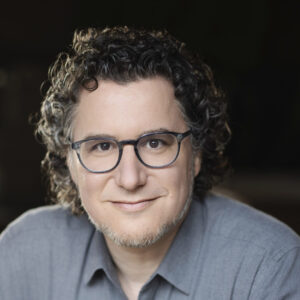
What causes good companies to go bad?
According to Eric Ries, author of The Lean Startup and his new book Incorruptible, it often begins when organizations lose sight of their true mission and start making decisions based solely on short-term financial results.
In this episode, Henry Lopez speaks with Eric Ries about how entrepreneurs can build businesses that stay true to their purpose as they grow. Eric shares why mission is much more than a statement on a wall, how trust becomes a powerful competitive advantage, and why governance structures matter even for small businesses.
They discuss real-world examples from companies like Cloudflare, Patagonia, Costco, and Taylor Guitars, exploring how organizations can make principled decisions that strengthen trust and create long-term value. Eric also explains why profit is often misunderstood and how business owners can think differently about profitability, purpose, and organizational longevity.
The conversation concludes with Eric’s thoughts on how AI is accelerating entrepreneurship and why founders who move quickly, learn rapidly, and remain grounded in their mission will be best positioned for the future.
Whether you’re launching a startup, leading a growing company, or planning for succession, this episode offers valuable insights on building a business that endures.
Eric Ries is an entrepreneur, author, and creator of the Lean Startup methodology. His work on innovation, entrepreneurship, governance, and long-term company building has influenced founders and business leaders around the world. He is the bestselling author of The Lean Startup, The Startup Way, and Incorruptible.
Incorruptible: What You’ll Learn in This Episode
- Why “mission” is more than a mission statement.
- The difference between vision, mission, purpose, and ethos.
- How trust creates a sustainable competitive advantage.
- Why many small business sacrifice long-term value for short-term gains.
- How governance structures help protect a company’s mission.
- Eric shares lessons from Cloudflare, Patagonia, Costco, and Taylor Guitars.
- Why profit should be viewed as the result of creating durable value.
- How AI is changing entrepreneurship and startup execution.
- What small business owners can do today to build more resilient organizations.
Episode Host: Henry Lopez is a serial entrepreneur, small business coach, and the host of The How of Business podcast show – dedicated to helping you start, run, grow and exit your small business.
Resources:
Books mentioned in this episode:
[We receive commissions for purchases made through these links (more info)].

- The Lean Startup: How Today’s Entrepreneurs Use Continuous Innovation to Create Radically Successful Businesses by Eric Ries
- Incorruptible: Why Good Companies Go Bad… and How Great Companies Stay Great by Eric Ries
Other Podcast Episodes:
You can find other episodes of The How of Business podcast, the best small business podcast, on our Archives page.
Transcript:
The following is a full transcript of this episode. This transcript was produced by an automated system and may contain some typos.
Henry Lopez 00:15
Welcome to this episode of The How of Business. This is Henry Lopez, and it’s my great pleasure to have Eric Reese on the show. Eric, welcome to the show. Thank you very much. Thanks for having me. I’m a big fan of Eric’s book, previous book, and we’re going to talk about his new book. I have his previous book here, one of his previous books.
Eric Ries 00:31
That’s awesome.
Henry Lopez 00:31
Yeah, The Lean Startup, that’s that’s one of my bibles. It sits on my desk. I mentioned and refer to it often in different ways as I do business coaching and as I guide people on how to start a business. I think it’s a seminal must read on how to do that, and so we’ll refer to that. But talk about,
Eric Ries 00:46
thank you. Thank you.
Henry Lopez 00:47
Absolutely, it’s one of my pleasure. Obviously, it’s been a national bestseller for a long time, a hugely popular book. But we’re going to talk about the new book. So today, Eric Reese is with me. He’s the author, like I said, of the Lean Startup. It’s one of the most influential books ever written about building a modern business. His new book, Incorruptible, which we’re going to focus on today, tackles, I think, that next challenge that founders face, which is how to grow a company without losing the mission, the values, and trust that made it successful in the first place. So, when you’re in that stage, Eric can hear then to share how entrepreneurs can build businesses that stay true to their purpose as they scale. You can find all of the Howard Business resources, including the show notes page for this episode, and learn more about my one on one and group coaching programs at the Howa business.com I also invite you to consider joining the Howard Business community on Patreon and subscribe wherever you might be listening, so you don’t miss any new episodes. Let me tell you a little bit more about Eric, and then we’ll get into the conversation. Eric Reese is an entrepreneur and inventor of the Lean Startup methodology, bestselling author, as I said, of the Lean Startup. He’s also written The Startup Way and The Leader’s Guide, and over the past two decades, his work on continuous innovation, long-term thinking, governance, and company building has influenced founders and business leaders worldwide, including myself, and his new book is titled Incorruptible: Why Good Companies Go Bad and How Great Companies Stay Great, and it explores how leaders can build mission-driven organizations that stay true to their values as they grow. Eric lives in the San Francisco Bay Area, once again, Eric Reese. Welcome to the show.
Eric Ries 02:22
Thank you so much.
Henry Lopez 02:23
All right, let’s start with why Incorruptible. You know, I mentioned the Lean Startup, and we’ll talk about it again, but the way I looked at it, and having read and studied it, the Lean Startup help us build a company faster, more effectively through this concept of the MVP approach, testing, iterating, and then letting that, that most important feedback from the customers tell us, are we going in the right direction. So it’s a way to start and build a business the right way, the most effective way. It seems to me that Incorruptible now shows us what we need to do to build a business that stays true to its mission. Is that, am I getting it the right way?
Eric Ries 02:59
Yeah, that’s exactly it. How do we build truly strong organizations? And when people hear the word mission, I just want to caution, because these I try to be really careful about the language we use in this book, because you know that people have been taught that, like, mission is kind of like a nice to have, or like a little extra bonus. You know, a lot of investors join boards, and they’ve been taught to tell founders to, like, oh, don’t worry too much about mission, or like, you know, just, yeah, like, yes, it’s important, but what’s really important is making money, right? And so I don’t mean like the virtue signaling, like values on the walls, consultant-driven mission statement, I’m talking about the vital soul that makes an organization worth building in the first place. Can that be preserved even as the organization scales.
Henry Lopez 03:42
Yeah, I’m glad you’re clarifying that. So, let’s go down that tangent, because that, that can be so confusing often, especially for us as small business owners. Mission is kind of that copy that we put on the website, and then you know it sounded good, somebody else wrote it for us, but we don’t necessarily live by it. So, can you give me an example of what we were, and it could just be something you, you hypothetical, but what makes for a good mission for a small business, typically? What does it need to include?
Eric Ries 04:09
Yeah, so, so for just people to understand kind of the terminology of this, people talk about like a startup has a vision, business has a vision, and vision is like an image of the future state of where you would want to go. Imagine, like I’m planning a road trip, like we’re gonna go to New York City, and it’s like, okay, my vision is of the city where the streets are paved with gold, you know, and everyone, everyone becomes a Broadway star. Like, vision is my image of where, where I want to go. And, of course, people talk about how a vision can catalyze people get excited, but, like, at the end of the day, vision is intangible. It is an imagination, an active imagination about the future state. The mission is the plan, the determination that you are going to drive this vehicle to this place. So, I say, what is the mission of this road trip? It’s like we are trying to go to New York City now. If I say, how are you going to get there? I say, well, I’m going to drive across the road. Rocky Mountains from California to New York. You’re like, okay, is the mission to drive across the Rocky Mountains? No, the mission is to get to New York City. So, when we drive there, we say, oh man, those mountains are real tall, we should go around. I mean, they’re talking about the lean startup, that would be a pivot. We are now pivoting, finding a different strategy to get to that same destination. So, the critical thing about mission, though, is while vision is an act of the imagination, often of a single person, a mission has to be a shared commitment of multiple people. We have to all agree that we’re going to row in this same direction. And, of course, when I say it as a road trip to New York, it’s very easy, but most businesses, right from the very beginning, are confused about what really is the mission, and this has given rise in late in recent years to people creating a mission statement. I’m not a fan of mission statements, I’m a fan of actual missions. So, let me help you understand the difference. The mission statement is whatever you write on the wall, okay? Or, like, you can have a consultant help you with your mission statement, you can put it in your fundraising deck, you can discuss it in board meetings, or whatever. You could say, you could say your mission statement is whatever you want it to be, in the same way that a politician can tell you their, their goals, or their platform, their values, or whatever, they could say whatever they want, you know, but how do you know if it’s true? The mission is what the organization actually is committed to, what is its actual day-to-day operational purpose, and how does it go about achieving that purpose? So companies can be coherent or incoherent. That is, the whole team is all pulling in the same direction, or different departments are squabbling and doing different things. A mission can be ambitious or humble. A company can be principled in how it goes about that mission, or it could be very unprincipled, and it could have a different purpose. The purpose, I think of an organization should be to achieve the mission, but unfortunately, in the world we live in today, most organizations, legally speaking, have a purpose that is called shareholder primacy, meaning that the purpose of the organization is to enrich shareholders. So, just in that very brief statement of what is a mission, you see how there are competing different ideas about what an organization is what it’s supposed to be doing, and this is why we get so easily confused. So, my preference would be, whenever we start a business – small business, large business, startups, nonprofit, I don’t care, any kind of business – we have clarity about, we start with a vision, we say that our mission is to achieve that vision by whatever means necessary, our legal purpose is to do that to the maximum extent that we can, and our ethos, our how is to do that in a principled way that takes care of the people who we care about, and that particular combination of an ambitious mission aligned with human flourishing, a true mission that is trying to get there, a purpose where we understand, legally speaking, the thing we’re trying to optimize for is this mission, where money, making money, it’s a side effect or an outcome of achieving the mission, and that principled ethos, that particular combination power, is what I call the architecture of institutional longevity. It is like a magic formula that, when you have it, you are capable of creating something that will endure long, long past a single human lifespan. If that’s your goal, and if any one of those elements are missing, what I’ve found is organizations are extremely vulnerable to being knocked off course, or maybe even becoming something value destroying.
Henry Lopez
Okay, lots shared, Derek. So, let’s break that apart a little bit, because going back to, as you were describing, mission. And you said the ethos is the how, but I’ve always kind of looked at the mission statement as how we will achieve the vision. I think we’re saying the same thing, you’re just breaking it down into parts. If we continue with this analogy of the vision is to get to New York City, I’m starting in California, I guess. If you’re crossing the Rockies, is part of what I need to define in my mission is the how of how we’re going to get there, we’re going to get there in a luxurious fashion, we’re going to get there with room for everybody, we’re going to, how would I apply it using that same analogy? How do I begin to craft that mission of how we’re going to do this?
Eric Ries 10:34
Yeah, yeah, that’s a, that’s exactly right. Let me give you a concrete example, because I think it’s helpful to have, like, an actual absolutely think about that, and I really like the example. This is a story from the book of Cloudflare. Yeah, Cloudflare is a hugely successful startup today. So, now they’re a gargantuan company. I don’t know, $70 billion market cap, or something. That’s how my check. So, it’s not people sometimes, like, oh, why are you giving these big company examples? But I knew Cloudflare when they were just a tiny little company. Okay, they started,
Henry Lopez 10:56
and we could always learn for those companies, even though they’re larger. We can always learn an up.
Eric Ries 11:00
Well, how did they get so large
Henry Lopez 11:01
exactly? It
Eric Ries 11:02
wasn’t an accident,
Henry Lopez 11:03
right?
Eric Ries 11:03
So, anyway, they were a very small company with this very humble idea that they were going to put a firewall on the cloud, and I like these guys because they were very allergic to mission values talk. They didn’t have a mission statement, no value, they didn’t believe in that stuff when they started. They thought it was like, like kind of like consultant speak, you know, marketing nonsense. So, it took them several years of actually building this company before they were having lunch one day, and one of their engineers at lunch said, “Hey, you know what? The reason I like working here so much, I feel like this is the first job I’ve ever had where I’m really building a better internet. And everyone on the table is like, “Oh, yeah, that sounds really cool. That’s how I feel about it too. That’s how I feel about it too. And someone was like, “Hey, is that our mission statement? And Matthew, the CEO, was like, “No, I don’t hear mission statement, no, no, no, no. But over time they started to realize that whenever they were faced an important or difficult decision, if they could make a better internet, they always chose that option, even if they could make more money with the other option, or it was more convenient to the other option, or whatever. So, like, the mission was an embodiment. The mission statement is a description of what they were already doing. Now, that might not be the mission that gets you out of bed, but they get something like, I don’t know, 10,000 applicants for every open job they have. There’s a lot of people that mission is deeply, deeply resonant for, and the key to having a mission like this is it allows you to make decisions that you can’t really justify on a spreadsheet, right, but are nonetheless the right thing to do. And just like you were saying, like there’s different ways, different companies would do it differently. Like, if I say I’m going on a road trip to New York, yeah, well, how luxurious is it going to be? You remember that old video game, The Oregon Trail?
Henry Lopez 12:37
Yep, right.
Eric Ries 12:38
Yeah, you go from point A to point B. Is it important that everybody arrives alive is that that game you win that if one person makes it to the organ you win. So, like, yeah, some people will be like, no, everyone who joins is we’re going to be alive at the end. Other teams are like, no, we’re ruthless, we’re gonna like, different companies have different, a different ethos, different character, different thing that they care about. Some people say, well, we’re gonna pick up every person we meet along the way, if you know, if you, we saw someone in need on the path of our journey, would we stop to help them, or we say no. Our mission is to go to this place, those you know, they’re on their own, right? Like, there’s a lot of these different questions that come up every day. So, one of the questions that came up for Cloudflare, at a time when they were a freemium product, and they gave this service, the firewall service, away for free, but customers had to pay extra for premium features, and the number one most important premium feature was web encryption. Now, today, if you go to a website, pretty much every web, every website you go to is SSL encrypted. We all take it for granted. It’s a very important part of the privacy guarantee of the internet, but that was not always true. And part of the reason we take it for granted today is because of the story I’m about to tell you. Cloudflare was making all this money charging websites to upgrade to encryption, and that made logical sense. It was a valuable feature, but also it was a feature that involved hard costs. They had to get certificates, they had to pay for the certificates, there’s computational costs to do the encryption, the cryptography, all that stuff. So it was all like the whole thing was very logical, make perfect sense on a business spreadsheet. A business is doing great. This is many years ago now, but they’re growing, and one day one of the engineers is just chatting casually with the CEO, he says, “You know, isn’t our mission to make a better internet? Matthew said, “Yeah. He’s like, “Okay, well, if that’s true, isn’t an encrypted internet a better internet? Uh, huh. Well, then, how can we charge people for encryption? Wouldn’t it be better? Give it away now. Most of you listening to this will have the same reaction I had the first time I heard this, which is like, oh man, yeah. If you’re a middle manager in a company, every freaking day somebody walks into your office like, hey boss, I got a great idea, let’s give our product away for free for no reason, and your job is, if it’s a nice friendly culture kind of place, to be like, thank you for your input, appreciate your buy in, but redirect back to remember we have a strategy, right? Or if you’re in like a more aggressive culture, we’d be like, ‘Smack, what do you talk about? That’s our number one most valuable feature, like, ‘Get out of my office, we stupid, the dumbest thing I ever heard, right? Not to numbers, we gotta be gonna hit the quarter, like you’re gonna.. it’s just like nice things that most come. You couldn’t even talk about this idea, it’s so stupid, and yet CEO was like, “Oh, that is actually a good idea, and he said the most critical thing that mission-driven leaders say, which is, “All right, let’s figure it out. He didn’t just say, “Okay, fine, give it away for free, and we’ll lose money and go to business. Okay, he’s like, “No, we gotta find a way to make it economically sustainable to give this away for free, and they had to work incredibly hard to make it happen, and in fact, there were so many moments along this path where they could have used the difficulty as an excuse to be like, nevermind, right? Like, nevermind, we don’t – no one was making them do this. The market wasn’t demanding it. Customer, like, nobody asked them to do this. They literally thought this up on their own, and it was simply because they were true to themselves. They were like, “We got to do this. So they worked for months to just grind this out. They invented new technology, they did these cool deals with the certificate providers. Anyway, it did a lot of work, and the critical thing I really want you to understand is they didn’t calculate the ROI of doing this. They didn’t know if their revenue would go up or down as a result. It was just the right thing to do, and they did it, but anyway, they must have had another way then to make money, right? Or figure
Eric Ries 16:05
out a different way. This wasn’t the only premium feature, it was just one of one of many, but it was their most important one. They were pretty sure that the conversion rates would go down if they did this, like it was a dangerous thing to do. I don’t want to undersell the risk that they took. Yeah, and in fact, when they launched this feature, the conversion rates did go down, because all of a sudden there was a bunch of people, like, oh, I don’t need to pay for this anymore, I can get the one feature I really want for free, and a lot of companies would have backed out at that point, like, oh my god, panic, reverse, nevermind, just kidding, but they stuck with it, and they were rewarded, so what happened was, although the conversion rate went down, they got 10 times more users, so the top of the funnel increased by an order of magnitude that more than offset the modest change in the conversion rate. Why did that happen? Because by sacrificing in this very particular way, by showing that the mission was real, not just words on a page,
Henry Lopez 16:54
right,
Eric Ries 16:54
they earned people’s trust,
Henry Lopez 16:56
trust,
Eric Ries 16:57
and that trust was worth way more than the revenue they lost.
Henry Lopez 17:00
Okay, so the challenge, of course, there, there in lies that takes a leader and leaders that can see into the future instead of just this quarter. Where it gets harder is when you bring this down to a smaller business. This obviously is made possible by having been past that survival stage as small business, right? Because if I’m in that survival stage, all I’m worried about is how am I going to make revenues this quarter. They must have been at a point, certainly, where they had enough of a track record, enough history to say, right, we’re going to take this chance, and we think it’s going to take us that much farther on our path to where our vision is taking
Eric Ries 17:36
- Yeah,
Henry Lopez 17:37
to be able to take that kind of a risk, is that fair?
Eric Ries 17:39
Well, so yes, that, that’s totally fair. And listen, I hear you, like, a lot of people say to me, man, business is already so hard. It sounds like you’re trying to make business a lot harder, but I want to push back just a little bit, which is like, but have you considered the possibility that part of the reason that business is so hard is because people don’t trust you as much as they could, and this is one of the biggest, most surprising findings I’ve had in the many years I wrote this book. I call the principle harder is easier. Sometimes it’s not a guarantee, but sometimes when you make these more principled decisions, even though it seems like it’s putting things at risk, even though it seems like it’s making your life more difficult, the trustworthiness that that generates solves the deeper underlying problem that was making everything so difficult in the first place, and just to keep it in a small business context, most businesses complain to me like it’s really hard to get new customers, right? It’s really hard correct to grow, it’s really hard to compete with big box retail, or whatever, like you think about, I just like the classic complaints I hear all the time, it’s hard to get my employees to actually all row in the same direction, but like I’ve talked to so many businesses where I’m like, okay, here’s you’ve been, you’ve been confronted, like it’s oftentimes it confronts you, it’s not you had a good idea one day, it was like here’s a situation where you need to decide what to do, think about like the small businesses that had to decide whether to shut down in Minneapolis recently or not, right, like you got to give something up in exchange for you don’t know what, or put your head in the sand and just do the same thing. So people often be like, I don’t have time to do the right thing, I gotta just make my quarter, I gotta make my revenue, I don’t have time to do the right thing. But then later, like, but now no one will pay any attention to me, man. No one, no one views my ads. My marketing is totally ineffective. It’s like, well, you’ve made yourself utterly unremarkable by never doing anything worth talking about, so you know. Yes, it would have been more difficult if you’d taken a stand, if you’d done the right thing, you know. If you, whatever, whatever, the thing it was, like a lot of companies, like they have to make a fundamental choice, you know. Do you serve all customers or only some? Do you go premium, or do you not? Like, there’s all these like really fundamental questions, you know. Think about businesses where they give some of the revenue that they generate to causes that are important to them, like tell a story, of course, of Patagonia. In the book, Patagonia did this very famously when they were a really tiny company, they were making philanthropic gifts and grants and doing all kinds of stuff that most small businesses wouldn’t do, because they can’t just, they’d be like, “You can’t afford this, and I tell a funny story in the book, they actually almost went bankrupt one time. They had a, when they first had success, Patagonia, they, they over expanded, and they got themselves into real financial trouble. This is before they really learned what they were doing, and they had to restructure their debts, and the bank showed up, and they were like, “Look, you can’t keep doing this anymore, and they negotiated extensively to, you know, make it. They made, they made some layoffs, they did, they did a bunch of things I did to get their financial house in order, and finally the last bank, like the lead bank of the consortium that was doing the restructuring, said, “Look, we’ll do this deal, but you have to promise us that during the time of the restructuring you won’t make any more philanthropic donations. And the then CEO of Patagonia said, “No deal, really.
Eric Ries 20:36
Now everyone hears the stories, like, “What? You can’t say no, you’re gonna.. they’re like, we’d rather go bankrupt than betray who we are. Either the point of this restructuring is to save Patagonia, not destroy it. So, if you want us to go bankrupt, fine, that’s your problem. But we are going to keep being who we are, and that’s like, it’s such a crazy thing to say. You’re like, oh my god, but first of all, the bank had to relent, what could they do? And second of all, we’re still talking about it all these years later, all these crazy things that companies do to prove that they’re serious about what they’re like, they create memorable moments that employees and customers and investors, everyone can rally to, to be like, “Oh, I see that these guys are actually serious, and that power makes other problems that other companies struggle with just magically go away, so it’s a trade you do, do the harder work upfront, you reap the rewards later,
Henry Lopez 21:25
and you mentioned also that the mission statement isn’t about the money that we’re going to make that comes with it, because what you’re what I’m hearing and understanding is what the result of it will be the trust that we build with our audience, our customers, our clients, they will reward us with that trust. They will, we will be rewarded because of that trust that we’re building. And if we use that as our guideline, as our roadmap to how we make decisions, we will generally make better decisions than short-term. I say, I think you call it financial gravity type decisions, is that right?
Eric Ries 22:03
Yeah, yeah, exactly right, exactly right.
Henry Lopez 22:05
So, tell me a little bit more about financial gravity, because that’s, I think, the thing that’s this I keep coming back to is, and why probably I’ve struggled with mission statements in the past, although I do believe in them, especially the vision, and, like I said, that the mission on how we’re going to get there. I think you have to have something you’re working towards, but in guiding us at the end of the day, for me as a small business, it’s about making a profit. Yeah, but here you’re telling me look a little bit longer term on that profitability as opposed to shorter term.
Eric Ries 22:35
Yeah, the word profit is widely misunderstood, yeah, business circles, and in the book I go through in great detail how I think we ought to define it properly, and we can talk about that more in a second, but it’s really important to understand, like a lot of people start a small business, do not think of themselves as revolutionaries, right, like trying to start, if I wanted to become an activist, wanted to go into politics, I wanted, like, you know, if I wanted to go,
Henry Lopez 22:57
I wanted to save the world or end world hunger, I would have joined the Peace Corps,
Eric Ries 23:01
I would have done that right, and listen, there are some, there are some businesses where that is their explicit goal. I tell some of the stories in the book, but I tell a lot of stories in this book of business that have a very humble, humble beginning. And yet, as soon as you say that you care about anything at all, other than making money, you are a revolutionary. You don’t even realize it. I’ll tell you a story about a founder I was working with, he had been very successful in some of his past companies, and I asked him, you know, he, I was like, “What’s your purpose? You know, what’s your mission for this company? I asked him those kind of questions. He was like, “This is a bunch of bullshit, come on. He was just like, “I don’t care about that stuff, I’m not woke, I don’t care about stakeholders, you know, don’t even waste my time. But he was like, totally just like fully grumpy engineering kind of guy, you know what I’m talking about. I’m like, that’s cool, man, but I hear you don’t care about stakeholders, but how do you feel about your employees? And he totally changes, like, I would do anything for my employees. Okay, so you don’t care about stakeholders, but you would do anything for your employees, that’s good to know. I said, so what’s most important to you about this company is like, well, we’re going to make money by whatever means necessary in order to fund our true calling, which is to create high-quality products. I’m creating a culture and environment where the best engineers in the world that want to come work here. I don’t want to be big, I don’t want to scale. I want to create like a small team that’s just this is this is what we do, quality is everything. I was like, okay,
Henry Lopez 24:11
that’s the mission, but isn’t it? Isn’t that part of the mission?
Eric Ries 24:14
Like, that sounds like a mission to me, like we’re just trying to make money. I was like, listen, I can prove to you that what you’re saying is not true, that you yourself don’t even believe what you’re saying. It’s easy, it’s easy for me to prove it to you. And he’s like, you know, crossed his arms, like I was like, I’ll do it right now. Let’s imagine one of you, let you hire 10 people, you’re building this awesome culture, awesome quality, awesome stuff. What if one of your engineers comes to you one day and says, ‘Hey, boss, I just realized something. We could actually make a little extra money on this product if we lower the quality, because we’re paying all that extra for quality materials here. Why don’t we just use crap materials? No one would.. that’s on the inside of the case. No one would notice. We make extra money. Would you do it? And he was super offended. He’s like, how dare you suggest such a thing over my dead body? We would never do it. I said, but I thought you said you’re just going to make as much money as possible by whatever means necessary. Say, well, not.. but not like that. It’s like, oh, I see. So, there are some. Ways of making money you’re willing to do, and others you wouldn’t be willing to do. He’s like, exactly like, okay, but you told me before that you’re just trying to enrich your shareholders as much as possible. He’s like, oh, well, not like that, right? Like, you got to choose. Well, which is it? And this is the problem, is that our business culture today is we live in the era of what’s called shareholder primacy, the idea that an organization is nothing more than a financial instrument designed to enrich shareholders, that’s its essential purpose. Now, people act like this is some ancient wisdom, critical pillar of capitalism. Going back to the no, if you have a window, if you’re in a room with a window right now, I encourage you to look out the window. You probably can see a tree that is older than this idea. Okay, the critical, like court cases in Delaware that establish shareholder primacy for real come from 1986 Okay, like when people were listening to Depeche Mode. Okay, like that’s how old it is. Okay, this is not some ancient wisdom, but we all have been kind of brainwashed into this idea, and so what happens is we start organizations, even the smallest organization now has a stated mission or purpose, and then it’s actual purpose, and they diverge, so we say to customers, to our employees, to ourselves, we believe in quality, we believe in health, we believe in whatever we want to do, but actually, legally speaking, and maybe even like secretly, we carry around in our mind the idea that we’re actually, we’re just trying to make a buck, we’re not really trustworthy, and we all know this, if you have a friend who will do anything for $1 you can’t trust anything they say,
Henry Lopez 26:21
right?
Eric Ries 26:22
Because if they say they say I’ll be there, what if someone offers them $1 to not be there, right?
Henry Lopez 26:25
Because you know, as we often will say, you know, that person might sell their solar, might sell their, their mom to get that dollar, right.
Eric Ries 26:33
Absolutely.
Henry Lopez 26:33
And so what we find in history, also, Eric, is that those types of businesses rarely survive very long.
Eric Ries 26:41
Absolutely,
Henry Lopez 26:42
those businesses are focused just on how quickly could I make money, and that’s the only thing that matters, because they end up cannibalizing themselves, don’t they, to a big extent.
Eric Ries 26:51
Yeah, exactly. It’s the cannibalization is really the issue, and it’s just, you know, this is how a lot of companies wind up inadvertently becoming Ponzi schemes. They wind up, you know, I remember working with a company that was trying to do is this cool technology, but they were like so focused on like whatever would make the numbers go up into the right, like it only took them like six months of just anything to make the numbers go up into the right, and they were selling pornography and like psychic hotlines, and just like the dopamine hit of these short term temptations is super super strong, and it’s the same reason why drugs are dangerous, you know, it’s like, and in the book I tell the story of Jim Senegal, the founder of Costco. He literally called it like taking heroin, like there’s this stuff you can do and you can get away with it, like for a while, you can get away with it for a while, but ultimately it is self-defeating, whereas the organizations that endure lay that longer-term foundation.
Henry Lopez 27:38
All right, I want to jump to the point about profit and defining profit, I think, if I, if I’m getting it right, but I want you to expand about it. It’s as you say, the result of creating durable value. So, can you explain this different kind of, or different view of profit, what it means?
Eric Ries 27:52
Sure, sure, sure. So, if you ask people what, what it means to make a profit, that’s like a small business owner, they’ll tell you that that’s obvious. Everyone knows that it’s just profit means you have extra money left over after you pay your expenses. Simple economics, economists call that value added, right? You take a $50 piece of wood, turn it into a $200 table, you have $150 profit. But, of course, it’s a little more complicated than that, because, of course, you gotta, you know, pay the employees. What about the amortized cost? What about fixed costs? Well, you know, we over time, we have made the definition of profit more and more and more complicated, but we have left out a bunch of, I think, really critical aspects of that definition that we have to confront if we’re going to get serious about this. So, in the book, I walk through these examples of things that, according to the formal definition people have in their head, they have to call profitable, but according to the intuitive sense of profit that they carry in their heart, they would say are not profitable. I mentioned the Ponzi scheme. I love doing this exercise with people. Is a Ponzi scheme profitable? And they’re like, no, everyone’s like, no, I don’t. If you build, if you make things for a living, you are going to want to say no. It’s certainly it can’t be profitable. We’re like, hold on,
Henry Lopez 28:55
this short term, absolutely it
Eric Ries 28:57
- It’s, it’s revenue exceeds its costs this quarter. You’re like, well, but it’s, you know, eventually it’s going to collapse. Oh, I say it’s okay. So, if it’s eventually going to collapse, then it’s not profitable. What are you saying? You’re saying, in the language of economics, if the liabilities are deferred into the future, we call those deferred liabilities. They should count against your profit. And as soon as you say that, it’s like, oh, so time horizon really matters now. I can’t just say I’m profitable this day, this week, this quarter. I have to think about the future. I have to think about longer term horizon to see if I’m really creating value or not. That’s one of several examples I go through in the book. There’s also the idea of negative externalities, like, you know, think about secondhand smoke or pollution. If I harm other people in order for me to make money, then the value I destroy is offsetting the profit I make, and even though I get away with it, it’s like a bank robber. Is a bank robber profitable? Well, like, if he robs more money than the cost of buying a getaway car, like, yeah, I get people are like, well, but no, I understand, he just, he just stole the money. Well, most ways of making money today, we have so many of them that are. Closer to theft than they are to value creation, and of course, that’s even before we get to the ones that involve destroying a human life as a necessary component of making money, and we have all these ways today of gambling, of throwing money away, of basically speculating, gambling, tricking, deceiving, making things addictive that our grandparents and our great grandparents would have absolutely understood to not be profitable, and in fact would have seen basically as illegal, like there’s quite a few of them that would have been crimes not that long ago. So we, who build things for living, like especially anyone who like cares about quality, about customers, about taking care of, like, if you care about anything at all other than making money, we have to start to get a lot smarter about what does it mean to be a for-profit organization. And when we use a more refined definition of making a profit, it opens up competitive advantages and business opportunities that most people are blind to.
Henry Lopez 30:54
And it’s part of what you’re talking about here, goes back to the originally we’re talking about trust. In other words, I can, I can, you know that old adage, right? You, you can trick me once, but, but then this people are going to find out, oh, it’s a Ponzi scheme, and then it all collapses. In other words, it’s part of what you’re saying is, yeah, I can sell a shitty product to somebody once, but then it catches up with me, and then I got nothing, and then I have no trust in my, my, in my brand.
Eric Ries 31:18
You got it exactly right. And what’s interesting is people think that trust is easy to lose, you know, because if you screw up, what you know, if you, if you betray people one time, they remember, and they’re not going to fall for it again, but people think that, oh, it’s like a lot of small business, I hear this, they’re like, this is too hard, because you’re saying if I ever make a mistake, then people won’t trust me, and it’s like, no, actually, the research shows that when customers trust a brand, they’re far more likely to be forgiving of its mistake.
Henry Lopez 31:44
Absolutely,
Eric Ries 31:44
they’re also far more likely to try its new products. Like, there’s all these advantages if you, if you are someone that people trust, and if you’re not sure about this or how it works, just go talk to someone. Almost everybody has a friend, because they’re so big. Ever has a friend who’s obsessed with Costco? Okay, Costco is one of those companies that, like, people love, and people who don’t shop at Costco often don’t understand, like, what’s the big deal? It seems like a super souped up supermarket, but just go ask your friend, why do you love Costco so much, and they’ll tell you all these different stories. In fact, I only put a few of them in the book, but there’s tons that I didn’t put into the book, of times where there’s just a company that, like, unerringly seems to do the right thing. One of my favorites, I just saw this on social media the other day, somebody wrote a really nasty email to like the local I forget where it was, I think it was in Kentucky, like a local Costco complaining that they were out of ketchup in the food court, and they got an email back from the CEO of the Costco Corporation apologizing and saying he’s going to look into
Henry Lopez 32:34
- Wow,
Eric Ries 32:34
and it was just like, and it wasn’t a big deal,
Henry Lopez 32:37
you know. He,
Eric Ries 32:37
the CEO, didn’t tell anybody about it, but this guy, of course, he posted on social media,
Henry Lopez 32:42
he’s like, “Oh my
Eric Ries 32:42
god,
Henry Lopez 32:43
the CEO responded,
Eric Ries 32:44
because they really care.
Henry Lopez 32:45
Yeah, you know, good point you were making it a moment ago. I think that in those, when we do make those mistakes, it’s how we behave and respond that has the most impact. I think,
Eric Ries 32:55
totally.
Henry Lopez 32:56
But let’s think, let’s stick with the Costco example. You talk about it, obviously, in the book, but give me a little bit more, if you share, if you would, about the structural, the structure that they’ve put in place that protects their mission, as you say.
Eric Ries 33:08
Yeah, so, so it’s really important to understand that in order to have something endure for a long time, the cost has been around 40 years now, and it’s been true to that sim, so a set of similar principles, the cap margins, they only charge 14% margin, 50% on Kirkland, they treat their workers really well. They pay higher than prevailing wages. They pass savings on to car. They just do a bunch of stuff that is designed to be what they call a fiduciary to the customer, putting the customer’s needs before their own. They’ve been able to protect this philosophy, even as a public company, even though they’re constantly under pressure from Wall Street, the same pressure as all these other companies that causes them to fold. Costco gets that pressure too. Well, I, one of my favorite quotes about Costco, someone, a Wall Street analyst, once said, Costco is taking money that rightfully belongs to investors and spending it on improving the customer experience. Like, as a criticism, it’s like they’re stealing from it, like they’ve committed a crime, like they’ve committed a crime that was actually how they and they’ve and so I remember there’s this time when the stock crashed and Jim Senegal, the original founder, was taken on a tour to meet investors, you know, by his CFO, kind of dragged to meet them because they were all pissed off because the stock had gone down and they had these meetings where they’re complaining, you give too much money to customers, you need to do stock buybacks, you do this and that, and he was just like, I don’t care,
Henry Lopez 34:20
that could have been when he might have capitulated and said, okay, you’re right, we need to do things the way you guys are telling us to do. That’s where the mission came in. The guidelines is no, no, this is the way we’re going to get there.
Eric Ries 34:32
This is the way we do it. Now he was able to do that because Costco is protected by what I call like Governance Fortress, and this is something that a lot of small business owners have never spent any time looking at their governing documents, because they think it doesn’t matter. It’s like a building permit. I don’t have a read by building permit either. I don’t know what’s in the terms of service you click on on a website. I get it. People hear the word governance and like, who, why is that important? But every organization, from the tiniest dry cleaner up to the world’s largest company. Like Costco has a corporate charter, and it says it’s like the Constitution that says who has power and under what. What are the goals and purposes of this company? And many organizations have built themselves with a set of governing practices that are value-destroying, and that allow anyone who has the money to show up from the outside and bully them into doing things they don’t want to do, you know, and of course we’ve seen this in small business, in a lot of cases. Think about all the private equity roll-ups that have happened. I can’t tell you how many stories I have been, people have told me, you know, since I started writing this book and talking to people about this, you know. People will tell me, like, I’ll tell you, sorry, I just heard this story the other day, I was talking about an economist, a famous economist who was, he was having lunch, and he’s having lunch with a friend, and the friend was getting really annoyed, because it was like the convos had suggested this, his favorite restaurant, we should go there, and he’s like on his phone, instead of paying attention to the friend, the friend’s like, “What’s going on, man? and he’s like, “Give me a second, give me a second, he’s on his phone, he’s like, “Yep, I knew it. He turns his phone around, and he’s like, “This restaurant was bought by private equity, I could taste it,
Henry Lopez 35:59
he could tell, he could tell it,
Eric Ries 36:00
he could tell, and I was telling that story to a friend of mine. He’s like, “I’ve had that experience too, and he starts telling me about his favorite local restaurant, you know, just like a regular small business, family-owned for generations. He always loved to go there, and they sold the company, and now it’s just like he was telling me about how terrible it’s just like we’ve all had this experience, and people think, “Well, that’s not going to happen to me, and yet there’s really good data that among small business owners of small business owners who sell their company, 76% regret it within one year.
Henry Lopez 36:31
Wow,
Eric Ries 36:31
so people think this is never this is going to be someone else’s problem. I’ll worry about it later, but then later comes and they don’t have a succession plan, they haven’t built this architecture of institutional longevity into their life’s work, and they often lose it, and that’s leaving aside all the cases where some, like some investor or private equity, where somebody shows up and forces them out,
Henry Lopez 36:49
right.
Eric Ries 36:49
So, so, yeah, I think people need to learn about the governance fortress and learn how to build it much earlier than we currently teach them.
Henry Lopez 36:56
Let me, let me see if I’m understanding it. Also, from a small business perspective, I’m going to throw out an example and tell me if it’s in alignment with what you’re talking about here at a business that I own, it was a self-serve frozen yogurt restaurant, we had two locations and we developed what we called our manifesto, this is how we behave, this is how we treat down to, you know, specifically say please and thank you, no cell phones at all, this is how we, it was a two-page document. Is that an example or a component of something that would serve as a governance fortress, or am I missing it here?
Eric Ries 37:28
Yeah, that’s half of
Henry Lopez 37:29
the
Eric Ries 37:30
necessary.
Henry Lopez 37:30
What’s the part that I’m missing?
Eric Ries 37:32
Yeah, so, so the first question, yeah, and you’re right, the first most important thing is, have we built something worth protecting? Okay, like, if you don’t have, if there’s not some bitter purpose or mission, right? If you haven’t done that work, go do that. But then here’s the question: you could have the strongest operating manual in the world, you could have your employees so bought into it, they, you know, they really understand it and do it consistently every day. But what happens if someone shows up and just offers everybody money to abandon it? What happens if it’s just, ‘Listen, I’ll just buy it, I’ll buy it from you. Now, if you are a family-run business, you own 100% of it, you got no outside, and if there’s certain circumstances where you can just be like, well, sorry, I don’t want to do it,
Eric Ries 38:06
but even then again, what happens when that person gets to retirement age, then what? But for everybody else, anyone who has any outside investors or has given stock options to employees or any kind of multi-shareholder situation, you already have this question of like, well, under what circumstances is it okay for us to abandon the mission for money, and the cool thing is you can write it into your corporate charter. You can take your manifesto and put it in the corporate charter, like, legally, like, not just this is operationally what we do, but legally this is also what we do.
Henry Lopez 38:34
So, you’re saying a company like Costco might have in their charter, we will only mark up 15% those kind of guidelines that that are company,
Henry Lopez 38:43
yeah,
Eric Ries 38:43
yeah, you got it. There’s they have to do more than that, because everybody, yeah, company, but yeah, yeah. Basically, what happens is, if outside investors want to force them to change their margin structure, it’s very difficult to do, whereas for most companies it’s very easy to do,
Henry Lopez 38:56
of course, exactly, because that’s left open. Yeah, it also, though, comes back to when that employee says, hey, we’ve got, we could source this product, it’ll be a hot seller, and the margin is 50% They say, no, no, no, that’s that’s not how we do things here. It’s great idea, but that’s not the way we do things here. In fact, we have governance for that, we don’t, we can’t do those things.
Eric Ries 39:14
Yeah, yeah, and by, by making it that you can’t do it, instead of just you choose not to do it, that’s what creates the trust
Henry Lopez 39:20
that fortress increase that trust again,
Eric Ries 39:22
yeah. Because otherwise you’re just like, well, we haven’t always tell people, people say, like, you talk to a lawyer, you ask them about any of this stuff that we’re talking about, a lawyer will always tell you, you should just increase your optionality for the future, don’t commit, like, just don’t commit to the future, just do, do a good job now, but you want to have more optionality, is my least favorite words, because I’m like, okay, if I go to my lawyer and say, listen, someone suggested that in the future we might want to turn our customers into Soylent Green. Should I preserve my optionality to do that? And if I do that, customers and be like, wait, you want your optionality to do what? Can we at least take the Soylent Green off the table, please? Right? Like, can we at least, at least say that I won’t shoot you for money, I won’t do, like, is there anything we. Can say about our future, is there anything that we most found it?
Eric Ries 40:03
Here are the things we won’t do. We will never do this, and you can say that you’ll never do it, but again, what if a private equity firm buys you out? The key to the two governance protections is you make it permanently impossible for those things to ever happen. You say our purpose as an organization, legally speaking, is to be one that does not do this, or that does do that. You could, you could specify things about the future, and then you still have the problem of succession. You still have to find good people to implement that play. You have to do a lot of other stuff too. But you know, I was talking to the founders of Taylor Guitars. Okay, they’re like an incredible small business. Make you know, I have several in my, in my living room right now, the best guitars in the world, and they converted recently to a 100% employee ownership model, but they’re not just, it’s not just employee ownership for the sake of employee ownership, they build an ESOP plan that is designed to exist in perpetuity.
Henry Lopez 40:51
I see,
Eric Ries 40:57
Not because employee ownership is the purpose, craftsmanship is the purpose,
Henry Lopez 40:56
because
if you buy from them, if you’re going to play, you’re gonna buy them, you have to believe that not just today, but in the future, they are going to continue to make the best making musical instruments requires decades long commitments. You got to get the right wood, and you have to season it, and it’s a sit-in. It’s like it’s an incredibly elaborate process, and it’s incredibly easy to cheat your customers, because most customers are not sophisticated enough to know the difference. Only the very, very best musicians in the world can tell, and that’s why you know, in any kind of elite product like that, instead of making the best product, you could just go bribe a bunch of influencers to use your product and tell people it’s the best in the world, right? Like, just to
Henry Lopez 41:32
become, that becomes a Ponzi scheme, because that trusty road, and in the end, it will shine through that you’re not really
Eric Ries 41:38
eventually these things utterly, utterly collapsed, but you know, you make a lot of money in the
Henry Lopez 41:42
short term, make a lot of money, you know. As we’ve been talking about, that there’s a particular client I was just responding to an email for her, Kristen is her name, and she’s challenged now with filling a more senior position with somebody that that has that ownership mentality, right? But that’s such a hard thing to do, because it’s an employee, they’re not an owner, but it seems to me that if we do have this mission right, we will attract someone that wants to be part of that, and they’re joining us, not just because of the paycheck, but beyond that, because we’re helping us accomplish this mission that they buy into. It is that fair.
Eric Ries 42:13
You got it
Henry Lopez 42:14
all right. I gotta, I gotta go to the Lean Startup and talk about how AI – we could talk about this for hours, but just quickly, what are some of the ways that you’re seeing AI change the lean startup thinking?
Eric Ries 42:25
Oh man, it’s a great time to be an entrepreneur. I think so. You know, this just like disruption is scary in so many ways, but from.. but putting my entrepreneur’s hat on, disruption, uncertainty, chaos.. that is, you know, it’s like the famous guy from Game of Thrones says chaos is a ladder, like that really is true. When there’s when institutions are being disrupted, new institutions have to be built. It is literally entrepreneurs who need to be called forth to make those changes. And one of the things I learned in writing this book, that you know, I’ve really believed I didn’t really understand it, but I’ve always believed it, even going back to Lean Startup, is that when there’s disruption, you don’t automatically get a good values replacement, right? If you care about the civic fabric of our world, you better, you as an entrepreneur, you better make sure that things that we get rid of, we better replace them with things that are better, not worse. Think about when we replace newspapers with Facebook, that hasn’t gone that well,
Henry Lopez 43:11
right.
Eric Ries 43:11
So, the, yeah, so it’s very exciting time for entrepreneurship. I was, I was being interviewed the other day on stage, and the person asked me, “Do I feel vindicated because Lean Startup called all these trends? And I was like, I didn’t even think about it that way, but yeah, like, for sure, Lean Startup has become more and more and more powerful as we’ve seen two trends accelerate. First, is we are democratizing the means of production, so more and more and more people can create more and more and more different kinds of products, and that’s, you think about, like, what an individual person armed with a credit card could accomplish 50 years ago compared to today. It’s just, it’s just incredible. Right now, we’re starting to talk about, we’re gonna be talking about companies that make hundreds of millions of dollars or billions of dollars with like one employee, like that’s gonna happen. That would have been unthinkable 50 years ago. So, that’s that’s really exciting. So, the range of possibilities is expanding, at the same time the level of uncertainty is increasing, because first of all, we have more comp, more competitors means more disruption, more confusion, more everything, but also customer standards are going up, the economic and political landscape is shifting, and AI is going to turbocharge both of these trends, and Lean Startup has always thrived where we have this unique combination where we can go faster than we used to be able to go, and we need to go faster because we need to learn what’s going on, so AI is very exciting from that way, think about like the building a minimum viable product. AI’s can be a turbocharger, figuring out if it’s time to pivot or not. The data analysis that you could do with AI is, is really tremendous. How
Henry Lopez 44:30
agreed? Yeah, that’s what I’m experiencing. That’s what I’m, that’s how I’m trying to leverage it as well, and help my clients do so. All right, we’ll wrap it up there.
Eric Ries 44:37
Remember, though.
Henry Lopez 44:37
Yes, go ahead, please.
Eric Ries 44:38
Remember that just because AI makes things more efficient for you. It also makes it more efficient from everybody you’re competing with, right? Everyone gets access to the same technology at the same time. So, yeah, it’s really important to realize that, like, it’s not just, oh, I got faster, therefore I have an advantage. If you got a little bit faster, but your competitor got a lot faster, you’re still behind. So, that is really the challenge with tools that are changing. As rapidly as we’re seeing with AI,
Henry Lopez 45:02
well said, but, but I think that what I look at then is, as again, you talked about in the Lean Startup, it all still comes down to how quickly am I willing to put something out there and execute and release something, right? And so
Eric Ries 45:14
that is the quant always has been, yeah,
Henry Lopez 45:17
always has been, that doesn’t change, yeah. All right, what’s one thing you’d have us take away from this conversation that we’ve had about, you know, the theme of the book, Incorruptible: Why Good Companies Go Can Go Bad and How Great Companies Stay Great. What’s what’s one takeaway, especially from the lens of a small business owner?
Eric Ries 45:34
Yeah, so this book has two different ways it can be read, and it’s right there in the subtitle: there’s the why readers and the how readers, you know, because some people want to know, like, why is the world the way that it is, and others are like, I have a problem, I need to get, I need to get this particular organization operating this way. So, we’ve been talking to how a lot in this conversation, naturally, because, yep, that’s all business owners are extremely practical, and my goal with this book, this is not a book of abstract theories, every single thing in this book is proven research driven practical thing that has actual case studies behind it, but even for people who don’t see themselves as having the power to make these changes, I want to challenge that just a little bit, because although I’m a founder, so I love starting businesses, I’ve helped people, hundreds, 1000s of people at this point, start a business, so I tell stories always from the point of view of the founder, you know, I can’t help it. I told Cloudflare story a second ago, told from the point of view of Matthew Prince, the founder. I told Costco story. I always tell a story from Jim Senegal, the founder’s point of view. These are, you know, people I know well, but the same stories can also be told in reverse if you pay close attention. And here’s what I mean, we’ve been talking about the superpowers that being trustworthy gives you, so for example, employees are more loyal, they work harder, have higher morale. When a company is mission driven, so that you say, well, that’s a guide to how to build a high performance organization. True, but it’s also a guide about where to work. You say that customers are more loyal to brands they trust, that is also a shopping guide, and we’re saying that companies that really embody mission and ethos, they’re more valuable, they have competitive advantages. Well, that’s also a way to create an investment thesis. So each of us, as individuals, as employees, as customers, as investors, we all have a role to play in shepherding in this new world to replace the era of shareholder primacy, and because of the problems of today’s world, the surveillance capital and the rapacious greed, and all these things, those liabilities also create strength. The strength that every choice we make has this gravitational force that ripples out in the organization. So I really encourage people to read the book, not just through the lens of how do I make my organization better, but how do I join into this common project of birthing a new civilization, a new iteration of this American experiment.
Henry Lopez 47:47
Well said. Thank you, Eric. The book, again, is Incorruptible: Why Good Companies Go Bad and How Great Companies Stay Great. If you’re listening to this episode, the book is available everywhere you’d buy a book, but where would you like us to go to learn more about you and the book.
Eric Ries 48:01
Come to my website, incorruptible.co Incorruptible Co. Feel free to join the mailing list. You can order the book there. There’s a whole bunch of early order bonuses, so if you order right away, you get a secret extra chapter, you get a bunch of cool stuff. You get to be in community with other people who are reading the book, so please do check that out. And yeah, the book is available everywhere you get books, in hardcover, in ebook and audiobook. Audiobook has a bunch of cool bonuses in it. I recorded it myself, so I’m really especially excited about the audiobook. And last thing I’ll say is, just, you can also get it at your local independent bookstore, and on the website, you can find a list of all the local bookstores all over the country that are carrying the book. You can order from a lot of those places, you can even order it online, so of course, you can get it at Amazon, Barnes and Noble, Books, the Millionaire like that, but if you also want to support the local community institutions that power, they’re the lifeblood of so many communities, then think about also buying it at an independent bookstore.
Henry Lopez 48:48
Great suggestion. Excellent. And I’ll have that link on the show notes page of this episode at the Howard business.com Eric, fascinating conversation. Obviously, I could talk to you for hours. Hopefully, we’ll have you back on the show in the future. It’s been an honor having you on the show. Thanks for taking the time to be with me today.
Eric Ries 49:02
Really appreciate it. Thanks for thanks to the conversation, and good luck to everybody out there who’s trying to make this work. Really, really, I honor what you’re trying to do. So, thank you.
Henry Lopez 49:09
Thank you. This is Henry Lopez. Thanks for joining us for this episode of The How of Business. My guest again today, Eric Ries. I release new episodes every Monday morning. You can find the show anywhere you listen to podcasts, including The How a business YouTube channel, and at my website, the How of business.com Thanks for listening.