



Remote, Hybrid, or In-Office?
Deciding between remote, hybrid, and in-office work is one of the toughest calls small business owners face today, and HR expert Claudia St. John shares how to choose the model that fits your team while staying legally compliant.
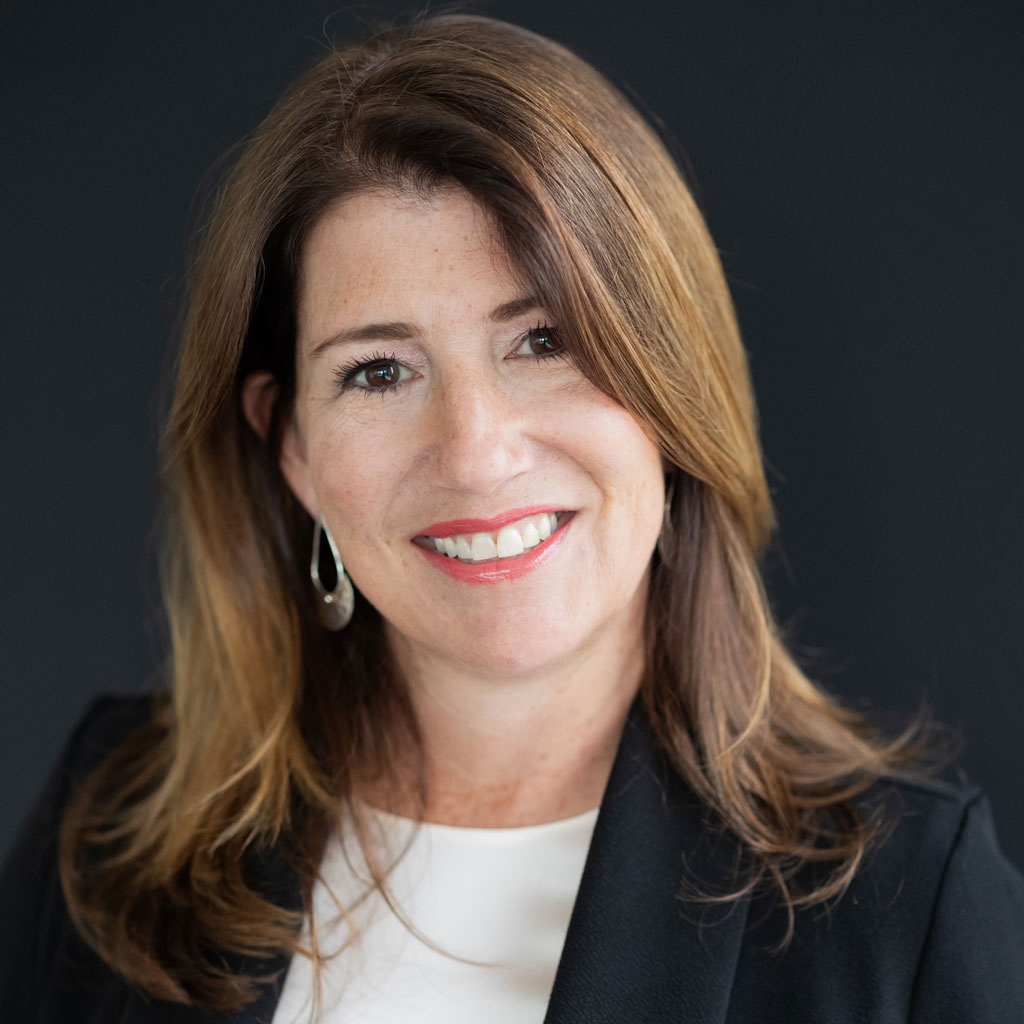
Small business owners are still wrestling with one of the most consequential management decisions of the modern workplace, and HR expert Claudia St. John, founder and CEO of The Workplace Advisors, returns to help them get it right.
Remote, hybrid, in-office? Years after the pandemic forced the question, there is still no single right answer, and the wrong choice quietly costs businesses in productivity, culture, retention, and even legal exposure. What works for a large tech company may be exactly wrong for your small business, and copying someone else’s policy is not a strategy.
In this episode of The How of Business, Henry Lopez is joined by Claudia St. John to explore how small business owners should think through the remote-versus-hybrid-versus-office decision and how to make whichever model they choose actually work.
Claudia is a keynote speaker, best-selling author, and the founder and CEO of The Workplace Advisors, an HR consulting, recruiting, and training firm that specializes in helping small businesses. As one of Henry’s trusted service partners, she is who he refers his own clients to for HR support and compliance, which makes her a credible guide through a decision most owners are still making by gut feel.
The conversation opens with the current state of work: a “frozen labor market” where economic uncertainty has businesses reluctant to hire but unwilling to lay off, sitting on top of a longer-term demographic squeeze as baby boomers exit and fewer younger workers replace them. Against that backdrop, Claudia unpacks what the data actually say about remote work including the finding that full-time remote employees are often more productive but noticeably less happy and more isolated.
She and Henry dig into the human cost of going fully remote: the loss of collaboration, the subtle body-language signals a manager can’t read over video, and how distance can quietly turn departments adversarial.
“When you’re not encountering each other regularly, you lose empathy toward what somebody else is experiencing,” Claudia notes.
A surprising theme emerges: the younger workers everyone assumes want to stay home actually crave connection and flexibility, not isolation.
From there the discussion turns practical: why regular cadence meetings matter even when there’s “nothing to talk about,” why accountability is really a problem of clear expectations rather than physical presence, and the legal and compliance traps of employing people across multiple states. Claudia’s throughline for owners still stuck on the question is simple — start by asking why, and listen from the bottom up.
Her final word: don’t be afraid of it. The tools to manage a distributed team keep getting better, and with talent competition low right now, this may be an ideal moment to hire.
Key Topics:
- The current “frozen labor market” and why businesses are neither hiring nor laying off
- Long-term demographic trends and a shrinking U.S. workforce
- Why small-business hiring looks nothing like the big-tech layoff headlines
- What six years of data reveal about remote work and employee happiness
- The productivity-versus-happiness trade-off of full-time remote work
- Isolation, creativity, and the human need for connection
- Why younger workers want flexibility and collaboration, not full remote
- How remote work weakens culture and can turn departments adversarial
- Losing the ability to read body language and check in on struggling employees
- The value of regular cadence meetings as a cultural touchpoint
- Accountability as a function of clear, explicit expectations
- Micromanaging versus “dump and run” and finding the middle
- Legal and compliance risks of employees working across states and localities
- Employee handbooks, policies, and worker’s comp for remote staff
- Applying policies consistently and understanding precedent and bias
- Asking “why” and listening bottom-up before setting a work-location policy
- The Workplace Advisors HR Support Plan for small businesses
Key Takeaways:
- There is no one-size-fits-all answer.
The right model depends on your team, the nature of the work, and how much collaboration a role requires. Try things, roll them back, and adjust rather than setting a policy in stone. - Full remote maximizes productivity but erodes connection.
Employees often get more done at home, yet full-time remote leaves them isolated and less creative. Some level of hybrid flexibility is what most people actually want. - Accountability is about expectations, not location.
If a manager is crystal clear about outcomes, how they’ll be measured, and provides the right tools and check-ins, it makes little difference whether the employee is remote or in the office. - Remote work multiplies your compliance obligations.
If an employee works in another state or locale, you must comply with every workplace law that applies there — paid leave, break time, worker’s comp, and more. Handbooks and consistent policies protect you. - Consistency prevents unintended discrimination.
Everything you do sets a precedent, and it must be applied to similarly situated people. Owners rarely intend to discriminate, but inconsistent perks can still “walk and talk like a duck.” - Start with “why,” then listen from the bottom up.
Much of the return-to-office push is driven by discomfort or bias rather than a real problem. Ask what your employees need — hybrid workers show lower turnover and higher satisfaction.
About Claudia St. John:
Claudia St. John is a keynote speaker, best-selling author, and the founder and CEO of The Workplace Advisors, a leading HR consulting, recruiting, and training firm that equips businesses with the consulting support and people skills they need to grow, with a particular focus on small businesses. She is a Senior Professional in Human Resources (SPHR), a SHRM Senior Certified Professional (SHRM-SCP), and a certified professional behavior analyst, and she helps organizations navigate talent acquisition, engagement, and retention with evidence-backed insights. Claudia and The Workplace Advisors are one of Henry’s trusted service partners for HR support and compliance. She previously appeared on The How of Business in episode 549 (HR practices) and episode 594 (at-will employment).
Episode Host: Henry Lopez is a serial entrepreneur, small business coach, and the host of The How of Business podcast show – dedicated to helping you start, run, grow and exit your small business.
Resources:

Special Offer: HR Support Plan
Receive 1 month FREE when you use Coupon Code “HOB”.
Dedicated HR support from The Workplace Advisors at an affordable monthly rate. Subscribe now and unlock the true potential of your organization.
Other Podcast Episodes:
You can find other episodes of The How of Business podcast, the best small business podcast, on our Archives page.
Transcript:
The following is a full transcript of this episode. This transcript was produced by an automated system and may contain some typos.
Episode 617 – Cluadia St. John
Henry Lopez 00:12
Welcome to this episode of the How of Business, and welcome back to the show, Claudia St. John. Welcome back, Claudia.
Caludia St. John 00:19
Thank you so much for having me back, I’m delighted to be here.
Henry Lopez 00:21
Absolutely, another topic, another HR topic. We’re going to explore. You know, business owners, we all continue to wrestle with one of the most important management decisions of the modern workplace, really, which is: should employees work remotely? Should they come back into the office? Should they operate in a hybrid model? Isn’t an obvious answer, and it’s different for everybody, but what works for one company may not work for your small business. Claudia is back with me today to share her experiences, her knowledge. She works with all different types of small businesses, helping them cite the cipher how to do this. And so we’re going to chat about this. You can find all of the resources, anything that we talk about, links and so forth, at the show notes page for this episode at thehowabuzz.com. That’s also where you can find information on my one-on-one and group coaching programs, and also about the Howwood Business community on Patreon, which I encourage you to look into. And please subscribe wherever you might be listening, so you don’t miss any new episodes of the Howwood Business. Let me tell you a little bit about Claudia, and then we’ll get into it. Claudia St. John is a keynote speaker, best-selling author, and the founder and CEO of the Workplace Advisors. The Workplace Advisors is a leading HR consulting, recruiting, and training firm specializing in equipping businesses with the consulting support and people skills they need to grow. And specifically, as we were just talking about before we started recording, working with small businesses to help them with that. She is an SPHR, a bunch of acronyms here: a senior professional in HR, an SHRM, a senior certified professional, and a certified professional behavior analyst who empowers. This is what all that allows you to do: is empower organizations with evidence-backed insights, so that those businesses can navigate the ever-evolving landscape of talent acquisition, engagement, retention, and with confidence and foresight. Claudia and the Workplace Advisors are one of my trusted service partners. She and her company is who I refer my clients to when they need HR needs, HR compliance, and so forth. We’ll explain that in a moment as well. Claudia St. John, welcome back to the show.
Caludia St. John 02:28
Thank you so much, Henry. I’m absolutely delighted to be here, and I love the topic that we’re going to be talking about. So I just I’m grateful for the opportunity.
Henry Lopez 02:36
Absolutely. So let’s let’s get into it. This this this whole topic that’s been going on, of course, since COVID, hybrid work now is is kind of been falling. People working remotely, people working in the office. I thought we’d start just at a high level. What’s the current state of work, for lack of a better term? What what are the trends at a high level that you’re seeing?
Caludia St. John 02:54
So outside of remote work, what we’re seeing is a persistent sort of we call it a frozen labor market, which is a term that I didn’t really know about a couple of years ago, but essentially because of some market uncertainty, because of some economic uncertainty, we see that a lot of businesses are holding off on making some of their more strategic decisions around investing within their businesses. And so, from 2023, 2024, last year, this year, there’s been this noise on the outside periphery. Where are we going to go into a recession? Are we about to have a market downturn? Is our interest rate so high that small businesses can’t borrow the money, or businesses in general they can’t borrow the money they need to make the investments? And so, as a result, even though the underlying labor conditions are strong. Businesses are putting off some of those important hires, those more expensive hires. Maybe opening up another location. Maybe doing some big investment because, well, as your you know and your members know, they don’t like uncertainty, right? I mean, if they can know the economy’s good, this is a good time to press the go button. They’ll do it, but all of the noise and uncertainty is creating a hesitancy of employers. So they’re not hiring, but they’re not laying off because they know that it’s so hard to find good talent right now. If they lay off their workforce in any meaningful way, they will be behind the ball big time trying to get them back, and so they’re not hiring, they’re not laying off, and employees who are also reading the the tea leaves are not quitting. So there’s been this sort of pent up. I’m going to wait and see, and that has really begun to slow things down. The one underlying trend that’s been the same since you and I have been talking over the past few years, and that is that the underlying labor market shows us that our demographics. We have a diminishing workforce. We have a lot of baby boomers that are leaving the workforce. A lot of the skill crafts, you know, in the print space, that knowledge center, in in creative space, in. Insurance. I mean, all the different industries that we work in, medical. Those baby boomers, as they exit, there’s no real clear strategy to backfill those positions. I think a lot of small businesses aren’t great at succession planning because they don’t have a huge bench strength necessarily to call from, and we don’t have Gen Zs and and the future generation, the alpha generation, we don’t have them in any great numbers, and so our natural growth of the population is really coming to a halt. And by 2033, we’re going to have more deaths than live births in the United States. So we will be at a diminishing. We will not be growing as a country and as a workforce if we’re not bringing in immigrants or coming up with some other way to get things done-that’s a big trend, and I think that’s what I want your listeners to pay attention to. Is this is not a one a one and done? This is not just them having a hard time finding somebody in their small corner of the world, wherever that may be. It is national. It is really important issue for all business owners to pay attention to. Just to clarify, you know, obviously we see in the headlines the layoffs by the the big tech firms, but that is not representative of what you’re seeing or what I’m only seeing in the small business community, right? Not at all. We’re seeing it in some of the industries where there was a lot of buildup of skill sets in banking and technology. You know, the really big global companies, but I have a party trick. So when I go and speak at conferences, when I’m asked to speak and I’m on the the keynote stage, I always ask folks how many of you are planning on hiring, and they used to all raise their hand. Now you know not as many raise their hand, but when I ask how many of you are planning on laying off,
Speaker 4 06:40
the
Caludia St. John 06:41
answer is none.
Henry Lopez 06:42
Yeah,
Caludia St. John 06:43
and the only ones that do raise their hand when you ask them, it’s because they’ve just sold to private equity or they’ve merged with somebody else. So there’s some larger transition going on in their business, but on Main Street, people are not laying
Henry Lopez 06:57
off. So there’s this stalemate, right? People aren’t leaving their jobs, people aren’t hiring. People aren’t, but so when you do, we were just talking before recording a client of mine who’s looking to fill a position. When you are looking to fill a pretty important position, it’s tough because the market is tight. There aren’t that many candidates out there, and finding the right candidate has gotten harder and harder. So let’s segue into then what I think had been certainly we went to remote for the obvious reason during the pandemic, but then I, in my observation and feeling, it remained as a perk, as a benefit. Yeah, yeah, absolutely. Be able to work from home.
Caludia St. John 07:36
There has been a huge reluctance for employees to come back to work, but the story is not a simple one. There, there are a lot of nuances and complexities to the current state of remote and hybrid work. There was an interesting article that came out this week, actually, in the Wall Street Journal that said, “Does remote work make people happier? And we now have, you know six years of remote work experience, and does it make them happier? And the answer is definitively sort of.
Henry Lopez 08:08
I was going to say depends.
Caludia St. John 08:10
It depends, and what it really depends on is how much work from home. People who are working from home full time, seven days a week or five days a week, whatever their work schedule is. Obviously, they are less happy. There is a human need and a human condition that causes people to really want that connection. Whether that’s for social interaction, whether that’s for creativity, and coming back to work full time is not great because they also have things. They’re more productive at home. They can really focus their time and attention in a way that satisfies their personal needs. So what I’m seeing is that full time remote has its real challenges. People feel isolated. There’s an association that I work with that closed up its brick and mortar. The whole association, all 120 of them, all work remotely, and they deeply miss each other, and they deeply miss that connection. So I think it depends, but I think some level of hybrid flexibility is something that employees really, really want.
Henry Lopez 09:15
Yeah, it seems like that that’s the case for most positions. I want to explore that further, but before we go there from a recruiting perspective. What are you seeing? Are especially at a professional level? Maybe that’s not the right term. You know, at a more senior level and above, because I do as an I have two views of this, right? I have a view of it as if I was an employee. I would love the flexibility. I always loved that flexibility. I was fortunate to get it early on in my career, when I was working for somebody else, and I loved it, but as an employer, I understand the truth behind it, which is there’s a lot of loss of productivity, certainly a lot of loss of collaboration and accountability, and all that kind of stuff that that a boss worries about, right?
Caludia St. John 09:56
Yes,
Henry Lopez 09:56
but I want to tackle it right now. For a second, about from a recruiting perspective, are those people who are being recruited? Is that something that they’re still looking for that needs to be there for a lot of people as a as an option, at least hybrid?
Caludia St. John 10:14
I think they like the option to have one or two days a week from home to have that flexibility, and if not every week, to know that that exists as part of that flexibility, and part of the reason for that is just to make one correction to to what you were saying. The data actually show us that people are actually more productive when they work from home than they are when they work full time in the office, yeah, I
Henry Lopez 10:42
don’t buy it. I’m gonna, I want to. Yeah,
Caludia St. John 10:44
that’s fine. Discuss that with you. We’ll have that. Let’s let’s have that because they don’t have as many distractions. Their creativity is not as great when they’re home alone. They’re no, they don’t have the inspiration. They don’t see ways to grow or do something different. They really get stuck in their own lane because they’re there alone, but they do, and all of the data have shown it. When people work from home full time, they get a lot more done. But it’s sort of like I remember these, you know, coaching these sales managers who have these outside sales reps, and they the angst with which they’re like, “But I’m never going to see them. How do I know if they’re doing anything? It’s like this fear that if they’re not right in front of us, we can’t assess what they’re doing. We don’t hear their keyboards clicking, so we assume that they’re not getting things done. But actually, even if you just look at our GDP from a macro perspective, we’re growing. We’re more productive, and right now, 3025 to 30% of the workforce is working remote at some point in time during the course of a week. In 2019, that was 7% So I think there also has
Henry Lopez 11:52
to be a correlation, Claudia. To you’ve talked about this often that especially with the younger generations, they value so much more time off,
Caludia St. John 12:03
yes.
Henry Lopez 12:03
Flexibility of time,
Caludia St. John 12:05
yes.
Henry Lopez 12:05
That I think that’s the other reason this was, you know, and then this came along, and it’s like, yeah, that we we want this flexibility. We wanted it even before COVID, yeah,
Caludia St. John 12:14
right. And this is what’s really interesting. So I facilitated a young leadership panel at a trade association about a month ago, there were 35 students that I got to spend two days with. None of them wanted to work full-time at home. None of them wanted to work remote. My son works remote; it’s his first job out of college. They’re not happy. They-they’ve spent so much of their lives isolated. They don’t want. They want to know that they can spend some time at home. They want that flexibility. They want some of that autonomy to be able to say, you know what, I’m going to go. I have to get my driver’s license or my driver’s test. I’m going to take the afternoon off and I’m going to work at night. They want some of that autonomy over how and when to work, but they don’t want to be stuck at home. They they really value being in a collaborative work environment because a lot of them didn’t even get that during college and high school. So there is a really a real disconnect, I think, between us older business owners assuming young people want to work in their pajamas on their sofa. They don’t. They want the flexibility to work where and when they will be most productive. I think.
Henry Lopez 13:21
Yeah, I think that I think that’s what it is. I really think that’s what makes most sense, and it also, it also to the point of for what it exposes also for an old guy like me or or a person who maybe wasn’t great at learning to let go of micromanaging, not able to micromanage as much because, like you said, I don’t have you right here watching you, right? No, exactly. So it does force you to be a better leader in that way. But yeah, let’s talk about the collaboration. You know, my daughter went through a similar experience. I won’t name the company, but two companies ago that she worked for, they went to at home during COVID. They took advantage of that to get rid of a bunch of office space that they had leased, and then when they came back from COVID, the whole idea was it was going to be hybrid. They would do one week a month in when they do their meetings, but it really never came back to that. And you know what I found with them? Now this was a a culture that was already not very strong, but the impact I observed that it had on the culture was that departments became more adversarial.
Caludia St. John 14:24
Yeah,
Henry Lopez 14:24
they didn’t see each other as working for the same company anymore.
Caludia St. John 14:28
Interesting, and they
Henry Lopez 14:29
it was more finger pointing because because I think it’s only human that when you interact with these people at the office or you have lunch with them or you get you go to little the little the shower or the party or whatever, it’s a lot harder to look at them as them, right?
Caludia St. John 14:45
Yeah, absolutely. But when you’re remote,
Henry Lopez 14:47
it’s all these easiest. Oh, it’s that department didn’t do this or that, and and she saw that this bickering, and I and I was able to identify this because you guys are not together. You’re not in the same physical space. Anymore, you don’t consider yourselves part of the same team.
Caludia St. John 15:02
When you’re not encountering each other regularly, you lose empathy toward what somebody else is experiencing. You don’t because you don’t see what their life is like and what the other things that are happening in their life or that hard project, whatever they’re working on. This is such a shocking thing to me. But when we went remote, and I am a I’m a very intuitive person, and I read body language. I am all over body language. I’m a behavior analyst. I watch everything that people do with their bodies when they’re working. I could not assess somebody who was positive and somebody who was down. The difference in their body language was so subtle over a video, but I can almost taste it when you see them in person. Like, are you okay? I would have never had any of the signals to ask, “Are you okay? Do you need some help? Because you can’t get them virtually, and so I think that’s part of why remote work is so isolating and so alienating?
Henry Lopez 16:05
So how do you address that now? How how do you what what what can you share that you’ve put in place to make sure that you do get those signals?
Caludia St. John 16:13
You know, it there is no one size fits all, and I think you really have to know your team and you have to know your own strengths. I just check in with my team all the time. We, I tried to because we weren’t we work sort of in silos, so my teams don’t necessarily work collaboratively across their practice areas. I was like, do we really need to meet every week? It seems like a lot, and so we discontinued it for a while. And they came back and said, we want our weekly meetings because they’re all remote, and they wanted to see each other, hear each other. What’s going on? How are you? Like they craved that interaction, and so that’s like the third rail. We have to meet every week. We can’t take that alone. And and I think for business managers and leaders, it takes an intentionality that is an added responsibility of an of a manager’s job, and it’s hard. There are no easy answers. There is no one size fits all. It depends on your team. It depends on the nature of your work. But I think checking in with them, with your team, and saying what do you need? What what works best for you? And we’ve actually a few times. Lisa Ritchie, who’s our lead recruiter on our team, she takes the team calls because I travel a lot, and she’s changed up the agenda a bunch of times so that it changes the flow, it changes the nature of the conversation, it changes how they’re preparing, so they’re paying attention. The team meetings don’t get stale because we’re constantly, you know, every quarter or every half a year changing up how we’re interacting with each other regularly.
Henry Lopez 17:55
Yeah, this point about the medias is an important one. It brings to mind. I often mention this to people that those regular cadence meetings, especially when you are remote, have them even if you have quote unquote nothing to talk about. You need to create those spaces for people to communicate. Yeah.
Caludia St. John 18:10
Yes, absolutely. In
Henry Lopez 18:12
that case,
Caludia St. John 18:12
and with and we we brought in we we um we double dabbled our toe in EOS, and so we were being very intentional about our our meetings and our structure and our you know the cadence and how we were doing it to make them really efficient, and there was a wholesale revolt. Interesting. They they didn’t they didn’t want just the facts. They wanted to know how are you. I don’t need to know the facts. They don’t really work that closely together, but they want to be in each other’s lives. The meeting was
Henry Lopez 18:46
serving a different purpose. They’re serving more of a cultural purpose than anything else. They didn’t need the meeting to do their job per se,
Caludia St. John 18:53
right?
Henry Lopez 18:54
They needed it to stay as a part of a community here.
Caludia St. John 18:57
Exactly, exactly. And and I think unfortunately we will never be able to all come together because we are all over the United States. We started as a virtual company, so this is how we are. We’re nowhere near each other. But I think that’s why we’re seeing so many of these companies come back virtual two or three days a week, or two days a week, or one day a week, but then coming back to the to the office because it satisfies both of that. It satisfies coming together, working together, being creative, but also having the flexibility to take care of how you work best, how you structure yourself best. It’s interesting, you know. We all heard about Jamie Dimon with J.P. Morgan Chase, and we’re all coming back, and everybody was thinking, what’s going to happen? Well, are they back? No, because they couldn’t get them back. Yeah, and and the data show that if they work from the office four days a week, they have improved happiness. If they work from the office five days a week, they have decreased happiness, and they’re willing to take like a 25% pay cut. To have that flexibility, it matters that much.
Henry Lopez 20:03
It matters that much, yeah. And I think that’s the point we’re making earlier about it. Really ties so much to that.
Caludia St. John 20:09
Yes,
Henry Lopez 20:09
that flexibility of time, accountability. Though, let’s come back to that.
Speaker 5 20:13
Okay,
Henry Lopez 20:14
and then to worry, and I, and I, and I’m convinced to know that it depends on the position and the type of business that you run, and how much collaboration is needed, and how transactional is your position, and all of those things matter. Yes, are you in a support function? Are you, you know, are you? What is it that you do has a lot to do with it. But how are you advising companies that are dealing with this to address the accountability factor?
Caludia St. John 20:40
You know what’s really interesting about this is I think it’s a need to be very explicit about what the outcomes are, how you’re going to get there, what the expectations are. I I I am crystal clear about this as a manager, not necessarily a leader, but as a manager, your job is to make sure that the person working for you knows what is expected of them. Knows what your expect expectations are, and how you will evaluate that. That they have the necessary tools and equipment to do the job well, and that the check-ins are there to provide that feedback. If you set those expectations, I don’t think it it has no difference whether they’re in the office or whether they’re remote. The hard part is most leaders are not, or managers are not good at setting those expectations. So when you’re sitting in the office and I hear you clicking on your keyboard, I’m assuming you’re satisfying my expectations, but I don’t know if I haven’t been explicit about them. So it’s not micromanaging. It’s how will I know that? How will that employee know that they’ve satisfied your expectations? That’s your job as a manager, whether they’re remote or whether they’re whether they’re in the office. And I think it is probably the hardest thing for managers and supervisors to nail down because they may not even know exactly what it is they want.
Henry Lopez 21:58
It’s it’s exposed it exposes organizations where we don’t have that, where we don’t we don’t have that defined. It’s not clear, and so we overcompensate by micromanaging or by keeping the target moving or whatever the case might be. So it it requires that clarity of expectation of how we’re going to be measured, doesn’t it? The
Caludia St. John 22:20
expect the clarity of the expectation and the evaluation of how you’re going to be managed and at one level you have the micromanagers and in that instance you don’t give the people you don’t give your employees enough time to sink or swim to practice to grow it shows a lack of trust and then on the other side you have the people who are a dump and run. They are like, here’s what I want, and then you never hear from them again, and then you have no accountability because you don’t really know what is expected of you. So it’s where you run that fine line of saying, here’s what I’m, here’s what I’m expecting, and I’m going to trust you to get this job done, and then I’m going to meet with you, and we’re going to see whether this satisfies our expectation. And it takes discipline, and I’m going to be honest, Henry. I’m not good at this myself. I am a much more. I chase rainbows and shiny things. I’m constantly running down rabbit holes. I I rarely complete things that I start because that’s how my brain is wired. That’s who I am as a person. So I think if you are one of those people, or if you’re the opposite of those people, where you are, you have just such rigid expectations of what you want to see done. All of us need to take stock of what our vulnerabilities are and how we can be better, how we can get better. Nobody is walking this line perfectly, especially with a remote workforce. It just takes constant communication, feedback, practice, honesty, forgiveness, vulnerability, on and on and on. It’s it’s not easy, but it does. But I understand.
Henry Lopez 23:50
I I understand your point. It makes it makes sense to me that it it forces us to have it forces us to be better managers for those of us who have people who are remote, better owners, better systems in place, better clarity on expectations, and that’s goodness for everybody, right? I think sometimes it might tie. Won’t go too far off on this, but it ties to a management approach that feels justified because they’re the ones driving, you know, driving the the workforce, right? What what do I? What do I do now if everybody can just do their thing, right? Yeah, I don’t need to watch them. So, what do I get paid for? So, some of that that comes into play.
Caludia St. John 24:29
Yes,
Henry Lopez 24:29
but let’s shift over to to legal and compliance. What are some of the things that small businesses are having to navigate here as it relates to that?
Caludia St. John 24:38
I want to circle back on one thing because I don’t think I answered your question about hiring. I think if there is a capacity for a position to be at least somewhat hybrid, I would absolutely promote that if that position requires it, because that is absolutely a valuable perk to a role, and it also shows a little bit. Leniency and creativity, especially at more senior roles and levels where people want to have the respect to be able to say, “I know what I’m doing. Yeah, they’ve earned the
Henry Lopez 25:10
the similarity of autonomy to trust that they’ll do the job. Yeah,
Caludia St. John 25:14
exactly. Yeah, so I would definitely promote that, and I also well, I’ll come back to that later. Legally, if you have an employee that is working not in your geographic community, you have to be compliant with every single workplace law and regulation that exists in every state and locale in which your employee is working. A lot of small businesses, some of them don’t even have handbooks. Right, handbooks are not required by law, they are an absolute best practice, but they don’t realize. Look, I’m my company is in Manhattan, and I’ve got one employee in Connecticut, and I’ve got another employee in New Jersey. Well, those paid leave laws are totally different. What you have to pay in terms of break time, and what is a work week, and how does how is jury duty handled, and do you accumulate rate? Did you accumulate paid leave based on estate policy, and how does that relate to your own vacation policy? Like, it is complex, and I don’t think small businesses recognize it, especially when they’re like, oh, well, he’s just he’s just staying at his mom’s for the next six months, well, you have to comply with what the laws are. Whereas moms’ houses, it’s that’s the that’s one piece. I think the other piece is being very explicit about what your expectations are, especially for if there are you requiring that there be childcare for your kids during work hours, how are you going to be handling that? Setting that expectation, if an employee suffers a trip or fall during their work hours when they’re working, that is a worker’s comp claim, whether they’re in their house or in your office. So there are a lot of aspects of, and you know, even ergonomics. Are you are they working on their sofa or are they working at an actual desk with an ergonomically solid keyboard? Like these are things that you won’t necessarily be able to assess if they’re not working regularly from your office, but you can absolutely advise them or set policies and say this is again this is our expectation of you. Do you have any problem satisfying that expectation? This is what we’re expecting.
Henry Lopez 27:26
But the key is to have a policy, and then I suppose we have to apply that uniformly. In other words, what what are my challenges if I if I offer some people, or maybe the people who have been here for a while, get to have a hybrid, but new people don’t. Is that something I have to offer unilaterally? Everybody has to have the same, or can I have it different by position?
Caludia St. John 27:49
I mean, it it definitely. I mean, look, if you’re in production, if you’re in some form of manufacturing, you can’t make that thing at home. Then, and you, but you’ve also got somebody who’s in customer service or in sales and marketing, and they can work from home. So I think most most business places understand the nature, and you know, there’s this there’s characterization: the carpet versus the cement. If you’re working on carpet, you probably have some capacity to do something at home. If you’re working on cement, you’re probably in production or warehousing or whatever. What you should do though is make sure that you are consistent with all of your policies, right? If you if you’re a small business and all of a sudden somebody is pregnant and you’re like, you know what, take the next six weeks off, and then somebody else shows up and is pregnant and you’re like, no, I don’t have a like. You have to be consistent. Everything you do is setting a precedent, so you don’t have to apply that precedent to everybody, but you have to apply that precedent to similarly situated people. If the older workforce that you’re like, oh, we’re going to go with seniority, they’re all men, and all of the younger people are all women, and they have a perk that the younger people don’t, you need to look and see: is there is there a potential bias for this? Are are we treating everybody fairly? So, and those are the sorts of things I think most businesses could use a little help evaluating because literally none of our clients, none of your members who are our clients, none nobody intends to discriminate. Of course, nobody intends to treat other people unfairly. They never go into it with the intention. It never is their intention, and yet they can lose that court case because it walks and talks like a duck. It walks and talks like discrimination, even though it was never your intent. That’s why having a third person just to kind of run this stuff by you and come up with maybe a different a different approach or a different way of looking at something can keep you safe. And why having policies, they’re there to to show I don’t discriminate. I have a policy that says I don’t discriminate. I I adhere to all of the laws of the land, and this is why my handbook exists. To say and to live by that by that approach.
Henry Lopez 30:02
So having those policies and procedures in place, applying them and using them consistently. Though those are probably two of the biggest areas, as I’m I’m listening and I understand,
Caludia St. John 30:13
yep,
Henry Lopez 30:13
that are those common mistakes that we can avoid as small business owners that keep us from getting in trouble.
Caludia St. John 30:19
And recognizing that what you do sets a precedent is that the precedent. If I
Henry Lopez 30:23
do it for somebody, then now I’ve set a precedent. You’ve set a precedent.
Caludia St. John 30:28
Yes, exactly.
Henry Lopez 30:28
Is there anything else I haven’t asked you about that you help when you when you’re helping people? We’re pretty far removed now from COVID, but still people are still like we’re saying, still dealing with this. What do we do? Do we go to COVID? I mean, do we go to hybrid? Do we go to four days? Are there is there anything else I haven’t asked you about that you ask people to consider in helping them make the decision as to what they’re going to do as far as remote or not remote? And this doesn’t apply to a business like yours, which has always been remote. Right. I’m talking about that business that went maybe fully remote during COVID and is still kind of dealing with who are we, what do we do?
Caludia St. John 31:01
What I always ask the business leaders, who are usually the ones that are setting this expectation, is I ask them why? Why do you need this? What is this? What what problem are you solving by either bringing this back or by not allowing it? Because so much of it really is bias, it’s discomfort or uncertainty. It is generational. I mean, millennial millennial leaders who were millennials during COVID, they they themselves want to work a day or two remote. It’s it’s the older of us, us baby boomers and Gen Xers who were like, well, we just did it, so you know, bucket up, you know, buckle up, Better Cup. We’re going to do this. That’s not a good enough reason, and sometimes we have to recognize our own biases and recognize that what does the employee base want? the The one thing that I think is such good such good feedback is Daniel Goldberg, who wrote all about emotional intelligence, he says that the common cold of organizational leadership is a failure to listen. What do your employees want? What would make them more successful? And you can try things, you can practice things, you can roll them back, you can push them in. You can-I mean, you can you don’t have to set a policy forever and ever. You can say we’re going to try this out, see how it works, see if this works for us, for some people and not for others. So really, not necessarily coming up. If if you’re dictating it from the top down, the question is why. My recommendation is to try and listen from the bottom up and see if that can improve productivity, satisfaction. I mean, it reduces people who work some level of hybrid. They have a much lower level of turnover, a much higher level of satisfaction. But it has to be structured in a way that’s sustainable and works for everybody.
Henry Lopez 32:54
Right. Well said. Well said. All right. Well, that’s that’s perfect segue for one of the services that you offer, which I’ve recommended to many of my listeners and clients, and that’s the the HR support plan. Let’s start there. Explain that service that the workplace advisor offers the HR support plan for small businesses.
Caludia St. John 33:13
Sure. Well, many of your listeners, I’m sure, will resonate with this. Usually, whoever’s doing HR in your listening audience’s business is not an HR person, right? I mean, you you have to get pretty big before you can you can afford a true blue HR person, but you need HR support the minute you have one or two employees. I mean, it just it comes with the nature of working with other human beings, and so this HR support plan is designed to be that bridge between when you need HR and when you can afford to have your own full-time HR and beyond. So this program it’s $189 a month, and for that we are basically your phone a friend, right? So we’ll do your employee handbooks, your policies, your procedures. We’ll keep you up to date and compliant with all of the laws where all of your employees work and live, and we answer those like, what do I do about this question, or you know, what? How do I handle this? All of those areas that you just would love to call somebody, and a lot of businesses of this size, they either have an attorney that they use, which is reactive and expensive, or they use their payroll provider. We just picked up a pay a company from a payroll provider. Those resources aren’t they’re good at at doing payroll.
Henry Lopez 34:31
Yes, the transactional side. They’re
Caludia St. John 34:32
transact exactly. So we fill that gap and and we provide that everybody that works for us. We’re small, so you get one of us with many, many years of experience, and we’re there to help the businesses wherever they are and whatever whatever their own philosophy around management is. So that’s our HR support plan, our our core service, and it also enables you to use at at the lowest discount. The rest of our services, which include recruiting and compensation, employee development, pre-screening, behavioral testing before you’re hiring somebody. So a lot of the tools and resources that a full-service HR department would bring to a business-that’s what we bring to to small businesses at affordable prices where possible,
Henry Lopez 35:21
and we’re still doing a first month free for the Howard business of them. That’s
Caludia St. John 35:26
right. That’s right. All of your all of your listening audience, we are here to help with their workplace challenges.
Henry Lopez 35:33
Look into this. This is I recommend this to all of my clients again, Claudia, who I’ve known for years and have worked with her in various capacities, previous businesses, and as my trusted service partner for this type of service, I’ll have a link to this information on the show notes page for this episode@thehowabusiness.com. I will wrap it up. What’s what’s one thing you want to take away from this conversation we had about hybrid work, remote work? What’s one thing you want us to take away?
Caludia St. John 35:58
Don’t be afraid of it. I think the technology is making it easier and easier and easier to collaborate, to validate, to manage. So I would say do that, and if you have the confidence, I would go out and start hiring now because it’s not very competitive to hire good talent. It’s gonna be as soon as there is some market certainty, so if you’re in a position to hire, now is a great time to do it because you’ll have less competition for really good talent out there.
Henry Lopez 36:30
Where should we go to learn more about you and the Workplace Advisors?
Caludia St. John 36:33
I would love it if you would come to theworkplaceadvisors.com, and where you can see our menus of menu of services. If you go to theworkplaceadvisors.com forward slash how of business, so you will see all of the services that your listening audience have available to them. And again, one month free on that HR support plan, or just reach out to us at hello at theworkplaceadvisors.com. That will come into my inbox and to a couple of other folks’ inbox, so you’ll get an immediate response back from us on that. Any of the questions, even just how do I handle this particular situation? We are all motivated to help people solve their problems. So unfortunately, I’m not a great business person. We give a lot away for free, so I could use a coach to not do that anymore. But for the time being, we’re still pretty much helping anybody who comes knocking on our door. So
Henry Lopez 37:22
absolutely,
Caludia St. John 37:23
I’m knocking on our door.
Henry Lopez 37:25
Absolutely. And speaking of, so as I mentioned, obviously Claudia has been on the show before. If you’re interested, back in episode 549, we just talked about HR practices in general, and that’s a good episode to listen to and did a little bit more on her background. And not too long ago, I think it was earlier this year, we did a great episode on at will employment, which is another common hot topic. At will employment, what is that? What does that entail? So that’s episode 594. I’ll have links to both of those other episodes on the show notes page for this episode. So they are they’re all intertwined. So if you want to educate yourself on that, another couple of great episodes. Claudia, thanks again, as always, for being on. We’ll have you on again soon, but thanks for taking the time to share with me and be with me here on the show today.
Caludia St. John 38:12
It is always a pleasure. Thank you so much, Henry. I truly appreciate it.
Henry Lopez 38:16
This is Henry Lopez, and thanks for joining us for this episode of the How We Business. My guest today again, Claudia St. John. Thank you. I release new episodes every Monday morning. You can find the show anywhere you listen to podcasts, including at the How of Business YouTube channel and my website, thehowabbusiness.com. Thanks for listening.